
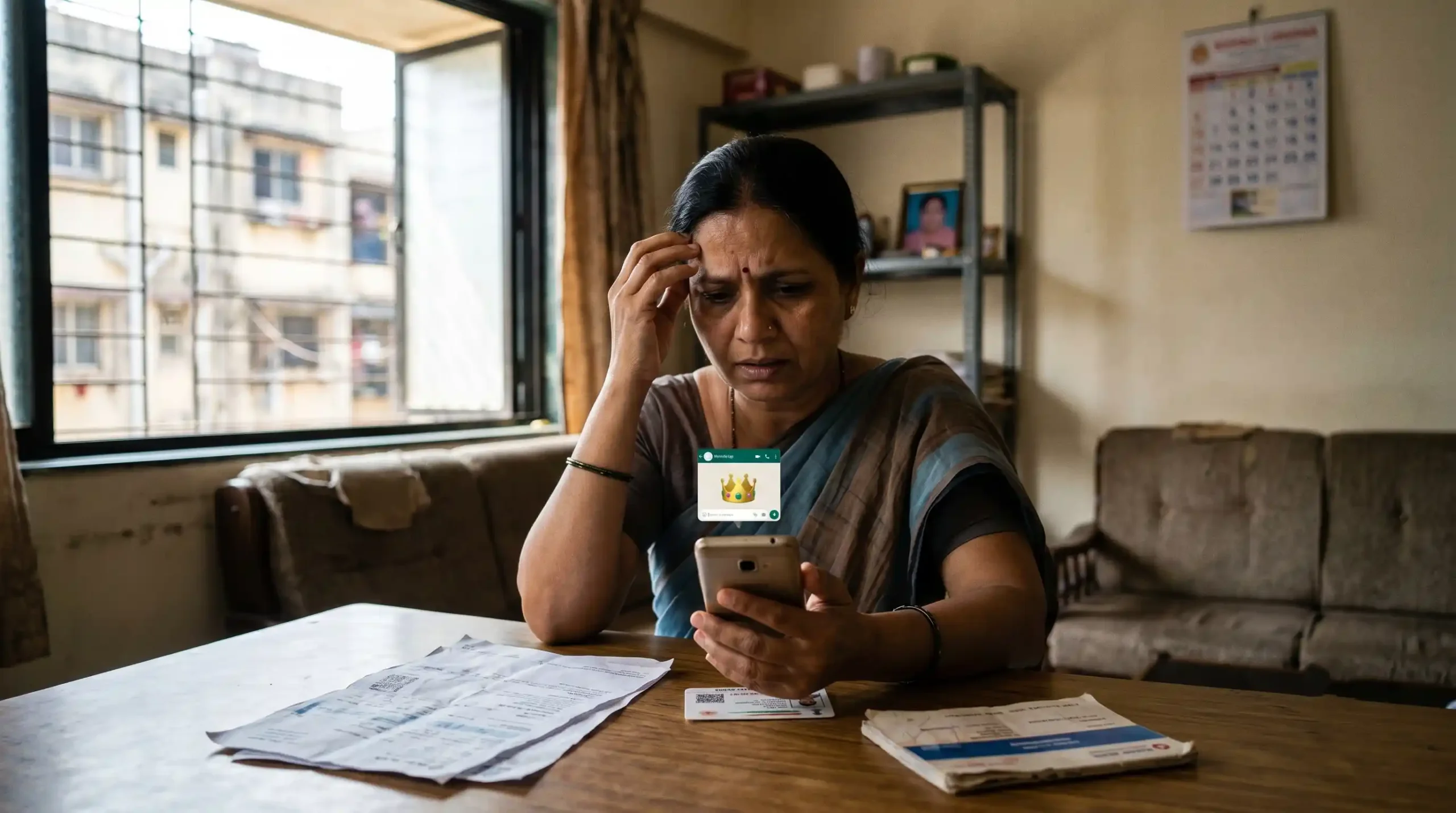
Already been targeted or scammed? Do this now.
- Stop all communication with the caller or sender immediately.
- Do not pay any “fees,” “taxes,” or share OTPs/UPI PINs. 3. Call the National Cyber Crime Helpline at 1930 immediately. 4. File an official complaint at cybercrime.gov.in. 5. Contact your bank to freeze your accounts and dispute recent transactions.
Every year, lottery fraud in India drains life savings through fake wins, harmful UPI payment requests, and highly convincing cloned celebrity video ads. Specifically, fraudsters exploit hope by using well-known brand names and government logos to create a false sense of trust. Therefore, as part of our promise to Responsible Lottery Play, this guide uncovers the exact playbook scammers use. Below, we break down the most common lottery scams in India, show how to spot the red flags, and list the immediate steps you must take to protect yourself and your family.
Key Takeaways
- Never Pay to Win: Genuine lotteries deduct taxes before payout; consequently, they never demand an advance fee or “processing charge”.
- Verify Independently: Always check results on official state government websites, rather than using links sent in SMS or WhatsApp messages.
- Guard Your Details: Furthermore, a real prize claim never requires your UPI PIN, OTP, or screen-sharing access.
- Act Fast if Scammed: Most importantly, the “golden hour” for recovery is crucial—call 1930 and contact your bank immediately.
The Most Common Lottery Scams in India
Fraudsters constantly change their tricks. Often, they use social engineering to panic or excite their victims. Here is exactly how they operate today.
The Advance Fee Lottery Scam
Also known as the “pay-to-play” or “tax fee” fraud, this is the main setup for most prize scams in India. First, victims receive a convincing message—often a forged letter or a dear lottery fake call—claiming they have won a huge jackpot. However, the scammer insists that a GST, processing fee, or customs charge must be paid upfront before the prize is released.
The Reality of Lottery Taxes in India: Under Section 393(3) of the Income Tax Act (formerly 194B), a flat 30% tax plus a 4% cess (effectively 31.2%) applies to lottery winnings over Rs. 10,000. Crucially, this is deducted at the source (TDS). Therefore, you do not pay this out of your own pocket upfront to a caller.
Social Media and Messaging App Exploits
Increasingly, scammers flock to popular messaging apps to bypass standard spam filters.
- WhatsApp Fraud: The fake KBC lottery WhatsApp message is a famous example. Typically, fraudsters send audio notes and fake posters with celebrity photos, claiming your mobile number was randomly selected in a lucky draw. * Telegram Groups: Similarly, fraudsters create huge, fake community channels. A Telegram lottery group scam usually features staged screenshots of “winners” getting payouts. As a result, victims are tricked into paying VIP access fees or placing rigged bets. * Deepfake Endorsements: Another growing threat is the deepfake celebrity lottery endorsement. Using AI, scammers copy the faces and voices of trusted public figures to make fake video ads. Therefore, never trust a video endorsement without checking the official source. ### UPI ‘Refund’ and ‘Collect Request’ Fraud Additionally, scammers abuse India’s fast payment system. For instance, you might get a call apologizing for a “failed” lottery ticket purchase, promising a refund. Then, they will send a UPI “Collect Request” to your phone.
UPI Refund Fraud: A collect request takes money out of your account; it does not add money. Above all, you NEVER need to enter your UPI PIN to receive money. —
How to Spot a Fake Lottery Winning Message
Whether it arrives via email or as a fake lottery winning SMS , always look for these clear red flags:
- You Didn’t Buy a Ticket: Obviously, you cannot win a lottery you did not enter. “Random mobile number selections” are always fake.
- Urgency and Secrecy: Often, scammers demand you act within 24 hours. Furthermore, they tell you to keep your “win” a secret so you cannot ask for advice.
- Suspicious Links: Finally, the message might contain shortened URLs or links to fake websites instead of real state government
.gov.inaddresses. —
How to Avoid Lottery Scams: Your Defense Playbook
Ultimately, protecting yourself requires caution and safe digital habits.
Three Steps to Stay Safe
- Never Share KYC Data on Unverified Channels: For example, do not send photos of your Aadhaar card, PAN card, or bank passbook over WhatsApp to claim a prize.
- Verify the Source: If a caller claims to be from a state lottery office, hang up immediately. Instead, find the real number on the state government’s official website and call them directly to check.
- Prepare for the Worst: If you realize you have been tricked, speed is your only hope. Specifically, lottery scam victim recovery depends on filing a dispute within the first 24 hours. —
Frequently Asked Questions
1. What are the most common lottery scams in India?
Currently, the most common types include advance-fee frauds (demanding tax upfront), fake KBC WhatsApp lucky draws, and Telegram groups showing fake wins. Additionally, deepfake celebrity video ads and malicious UPI “collect request” scams are spreading rapidly.
2. How do I know if a lottery win message is real or fake?
A message is almost certainly fake if you didn’t buy a ticket. Furthermore, if it asks for a processing fee, demands your UPI PIN, or forces you to keep it a secret, it is a scam. Instead, real lotteries publish results publicly on official government websites.
3. Do real lotteries ever ask for a fee to release a prize?
No. Legally, real state-run lotteries in India deduct the required 31.2% tax (TDS) before paying your prize. Therefore, they will never ask you to send money, pay a “customs fee,” or make a UPI payment to get your funds.
4. Where do I report a lottery scam in India?
First, immediately call the National Cyber Crime Helpline at 1930. Next, you must file a full, official complaint online at the National Cyber Crime Reporting Portal (cybercrime.gov.in). ### 5. Can I get my money back after a lottery scam? Recovery is hard, but it is possible if you act very quickly. Specifically, your best chance is to report the fraud to 1930 and your bank within the “golden hour”. Doing this freezes the scammer’s account before they can take the funds out.
6. Why do scammers use WhatsApp and UPI for lottery fraud?
Mainly, WhatsApp lets scammers send fake documents and voice notes easily while hiding their identity. Meanwhile, UPI is popular with scammers because it allows instant, final money transfers. Consequently, this makes it easy for thieves to empty bank accounts fast.
7. Does any lottery contact winners by call or SMS?
No official state lottery in India will ever call or text you to announce a jackpot win. Instead, it is completely the ticket holder’s job to check the published results and start the formal claim process.
8. How has the 2025 online gaming law affected lottery scams?
Recently, strict new rules forced many illegal betting websites to change their tactics. As a result, some have rebranded as fake “lottery groups” on Telegram or WhatsApp to avoid the new ad bans. Therefore, we are seeing a sharp rise in these local scams.
9. Who is most targeted by lottery scams in India?
Scammers blast fake texts and WhatsApp messages to millions of people randomly. However, they actively hunt vulnerable groups. For instance, first-time digital payment users and elderly citizens are prime targets because they might not recognize AI deepfakes or UPI “collect requests”.
10. What do I do if I already shared my bank details?
First, act instantly: contact your bank’s emergency fraud line to freeze your account and block your cards. Second, reset your UPI PIN and online banking passwords immediately. Finally, report the crime by calling 1930.
Stay Safe. Play Responsibly.
In conclusion, education is your strongest shield against lottery fraud in India. If you see a strange ad, get a weird message, or receive a pushy call, always check the facts through official state websites. Finally, always report fake callers to the authorities to protect others.