
Disclaimer: This guide is for informational purposes only and does not serve as legal advice. Always confirm current laws with the relevant authority or a qualified professional.
If you receive a WhatsApp message, SMS, or phone call claiming you have won a massive prize from a private company or a “national brand draw,” scammers are likely targeting you. When comparing a private vs government lottery in india, the legal difference is absolute: state-run draws are the only legal lotteries in the country.
Understanding the government lottery meaning—a draw that a state government strictly organizes, conducts, and controls—acts as your first line of defense against financial fraud. Every single private or pan-India lottery breaks the law. This guide explains why these laws exist, how to spot a fake private lottery, and what to do if fraudsters target you. To see a complete picture of where state-run draws are permitted, start with our master map of the lottery legal states in India.
Key Takeaways
- Private Lotteries are Banned: First, no private company, brand, or individual possesses the legal right to run a lottery in India.
- State Control Only: Second, only state governments hold the constitutional authority to organize and run lotteries.
- Zero Pan-India Lotteries: Third, a legal “national” or “Pan-India” lottery does not exist.
- Advance Fee Fraud: Finally, if an agent asks you to pay a “processing fee” or “advance tax” to release your winnings, you are facing a guaranteed scam.
Private vs Government Lottery in India: The Core Difference
When evaluating a private vs government lottery in india, you must base the legal separation entirely on ownership and control.
A state’s finance or lottery department prints, regulates, and distributes a legal government lottery. The revenue goes directly to the state treasury to fund public welfare projects. On the other hand, independent companies or individuals run private lotteries solely for personal profit. Because the potential for financial exploitation remains so high, Indian law strictly bans private entities from operating lotteries.
Who Can Run Lottery in India?
The Lotteries (Regulation) Act of 1998 strictly limits the answer to who can run lottery india.
Only state governments possess the legal right to organize, conduct, or promote lotteries. Furthermore, a state can only run a lottery if its own legislative assembly permits it. A private company cannot simply apply for a “lottery license” and begin selling tickets. While state governments do hire private companies as “distributors” or “selling agents,” the actual lottery remains entirely the property of the government.
For a deeper dive into how this federal law empowers the states, read our guide on exactly what the Lotteries Act 1998 lets each state decide.
The Myth of the “Pan India Lottery Legal” Status
A common tactic scammers use involves claiming their draw operates as a “Pan-India” or “National” lottery that the central government approved.
Is a pan india lottery legal? Absolutely not. A national lottery simply does not exist in India. Because lotteries act as a state subject, a ticket printed by one state (like Kerala) can only sell in another state if that second state explicitly permits it. Many states strictly enforce cross-border bans. If you are curious about which regions forbid all lotteries, review our breakdown of the states where lottery is banned in India.
Penalties: Private Lottery Illegal India
Because lawmakers rigidly enforce the private lottery illegal india status, organizers face severe penalties. Ultimately, understanding the rules of a private vs government lottery in india protects you from participating in these criminal acts.
Under the Indian Penal Code (IPC) and the Lotteries Regulation Act, running a fake private lottery constitutes cheating, forgery, and illegal gambling. Authorities can seize assets, freeze bank accounts, and sentence operators to years in prison.
It is also vital to understand how the law treats these offenses in a broader context. To see how lawmakers separate lotteries from other forms of betting, explore our cornerstone guide on the lottery vs gambling India legal difference.
‘Lucky Draws’ vs Lotteries
Many private companies run promotional “lucky draws” or contests (for example, “Buy a car, enter to win a TV”). Are these the same as lotteries?
Legally, no. A legitimate promotional contest does not require you to pay an entry fee specifically to win a cash prize. The moment a company asks you to buy a ticket strictly for the chance of winning a cash jackpot, the promotion crosses the legal line into an illegal private lottery.
Frequently Asked Questions (FAQ)
Understanding Legal Differences
1. What is the difference between private and government lottery? A state government organizes, regulates, and guarantees a government lottery, using profits to fund state welfare. In contrast, an independent entity organizes a private lottery for personal profit. In India, all private lotteries are completely illegal.
2. Are private lotteries legal anywhere in India? No. Private lotteries are completely illegal across the entire country. The Lotteries (Regulation) Act 1998 specifically limits the power to organize lotteries exclusively to state governments.
3. Who is allowed to run a lottery in India? Only the specific state governments that have legally permitted lotteries within their borders may run them. The law strictly forbids private individuals, brands, and corporations from organizing lotteries.
National Draws and Verification
4. Is a pan-India or online private lottery legal? No. A legal “Pan-India” or national lottery does not exist. Furthermore, any online private lottery targeting Indian citizens acts as an illegal operation, usually run by overseas syndicates or domestic scammers.
5. How do I tell a government lottery from a fake one? An authorized state vendor sells a real government lottery ticket, which features official state seals. Furthermore, officials publish the results on the state’s official gov.in website. Conversely, a fake private lottery usually contacts you directly via SMS or WhatsApp asking for advance fees.
6. How do I verify a lottery is government-run? To verify a lottery, check the official State Lottery Directorate’s website (which will end in .gov.in). Do not trust links sent via WhatsApp. Verify the authorized distributor list directly through the state’s official channels.
Laws, Penalties, and Corporate Draws
7. Why are private lotteries banned? Lawmakers ban private lotteries to protect citizens from widespread financial fraud, unregulated gambling addiction, and black-market economies. State control ensures accountability, transparency, and the redirection of profits to public welfare.
8. Can a company run a lottery with a licence? No. A private company cannot obtain a license to run its own lottery. While a state government can license a private company to act as a distributor or marketing agent for the state’s tickets, the lottery remains government-owned.
9. What are the penalties for running a private lottery? Organizing a private lottery acts as a criminal offense under the Lotteries (Regulation) Act and the Indian Penal Code. Penalties include severe fines, asset confiscation, and lengthy prison sentences for cheating and illegal gambling.
10. Are ‘lucky draws’ and contests the same as lottery? No. A legal “lucky draw” operates as a promotional contest tied to a product purchase without a separate entry fee. If you must pay money simply for a chance to win a cash prize, the draw acts as an illegal private lottery.
What To Do Next
If you are researching a private vs government lottery in india because someone contacted you claiming you won a prize, you must protect yourself immediately.
- Cease Contact: Do not reply to the message, and do not call the number provided.
- Do Not Pay: Never transfer “tax money” or “processing fees” to claim a prize.
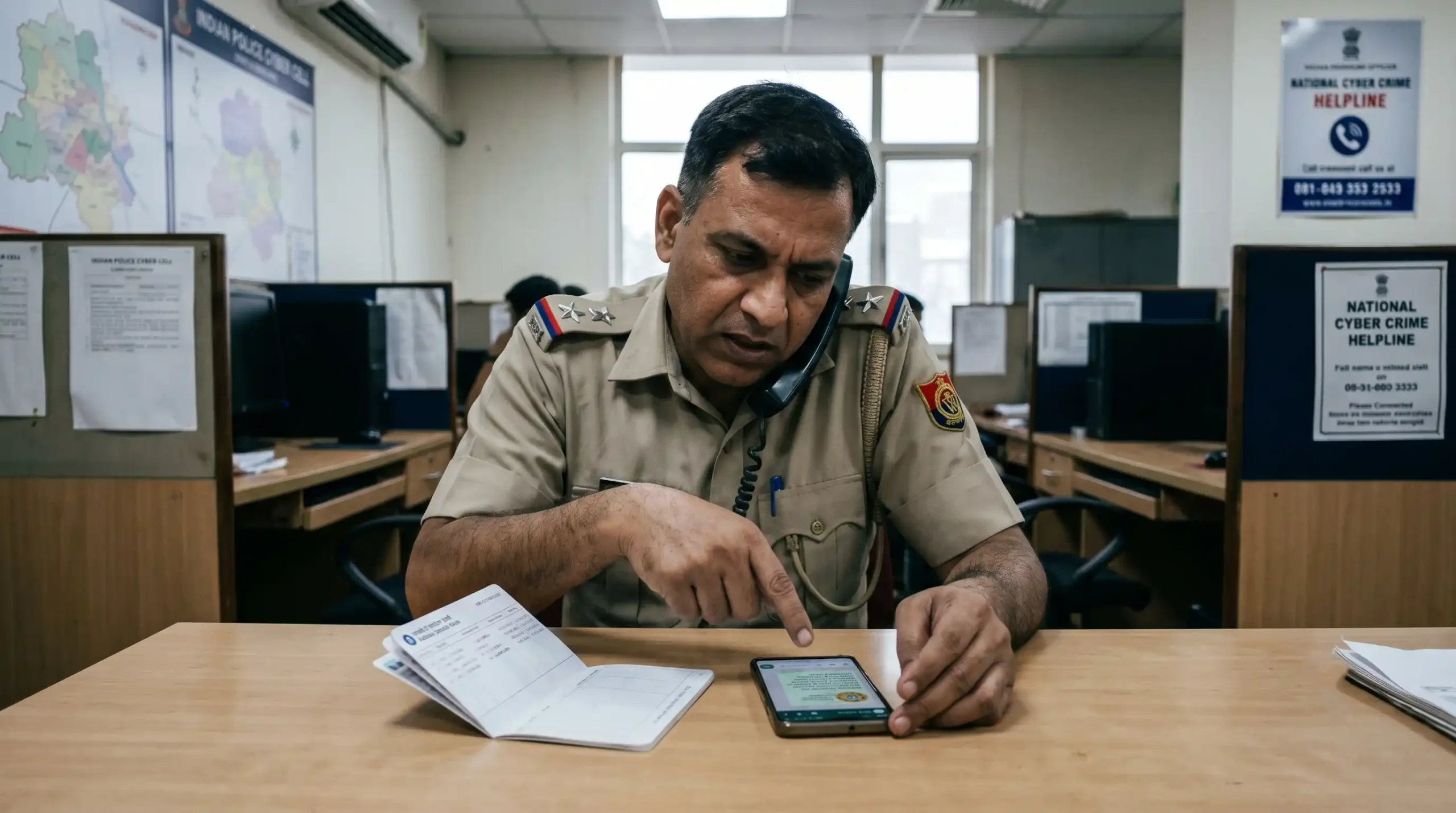
- Report It: Help shut down the scammers. Report the phone numbers and bank details they provided to the authorities by calling 1930 or by filing a complaint at the official cybercrime.gov.in portal.
- Learn the Rules: To understand where and how you can legally participate in state-run draws, return to our master guide on the lottery legal states in India.