Karunya Plus vs Karunya: The 1 Clause That Changes ROI

Karunya Plus vs Karunya lottery ticket comparison showing prize structure and welfare clause difference in Kerala State Lottery

Two lotteries. One name with a “Plus.” Millions of buyers treat them as twins. However, one small clause in their prize structure creates a very different return picture. If you have ever stood at a ticket counter and wondered which to pick, this guide breaks it down completely. You will learn the exact difference between Karunya Plus vs Karunya — prize tiers, draw days, ticket prices, welfare flows, and the single rule that separates their real-world ROI.


What Is the Karunya Plus vs Karunya Difference at a Glance?

Both lotteries are run by the Kerala State Lottery Department under the Government of Kerala. Both carry the “Karunya” brand, which links them to the Karunya Benevolent Fund — a medical welfare scheme funded partly by lottery revenue. However, they are completely separate draws with different ticket numbers, different prize pools, and different draw days.

Here is a quick-reference table before we dig deeper:

FeatureKarunya Plus (KN)Karunya (KR)
Draw DayThursdaySaturday
Ticket Price₹40₹40
First Prize₹80 Lakh₹80 Lakh
Second Prize₹10 Lakh₹5 Lakh
Third Prize₹1 Lakh₹1 Lakh
Consolation Prize₹8,000₹8,000

At first glance, the difference between schemes looks minor. But read the second prize row again. That gap is the clause that changes ROI.


Understanding the Karunya Draw Day Structure

Kerala runs seven distinct lotteries across the week. Karunya Plus draws on Thursday. Karunya draws on Saturday. Therefore, if you buy both, you effectively get two separate chances in a single week — they are not competing draws.

This matters for budget planning. Many buyers purchase tickets on a single day. Consequently, knowing the draw calendar helps you decide how to spread a fixed weekly ticket budget across the Kerala State Lottery weekly schedule.

Furthermore, draw times are consistent. Both Karunya Plus and Karunya results are declared at 3:00 PM IST. Results are announced at Gorky Bhavan in Thiruvananthapuram and published on the official Kerala government lottery portal shortly after.


Karunya Plus Prize Structure: The Full Breakdown

Karunya Plus (series code: KN) runs on Thursdays. Its prize ladder as of 2026 is structured as follows:

  • 1st Prize: ₹80,00,000 (one winner per draw)
  • 2nd Prize: ₹10,00,000 (one winner per draw)
  • 3rd Prize: ₹1,00,000 (multiple winners per draw)
  • 4th Prize: ₹5,000
  • 5th Prize: ₹2,000
  • 6th Prize: ₹1,000
  • 7th Prize: ₹500
  • Consolation Prize: ₹8,000 (for tickets matching the first-prize number except the series)

The key figure here is the ₹10 lakh second prize. This is significantly higher than the equivalent Karunya Saturday draw. Therefore, Karunya Plus rewards deeper into its top tier. For buyers focused purely on prize-ladder math, this is the clause that lifts Karunya Plus ROI above its sibling.


Karunya Prize Structure: Where It Differs

Karunya (series code: KR) draws on Saturdays. Its prize structure shares the same first prize of ₹80 lakh. However, the second prize drops to ₹5 lakh — exactly half of Karunya Plus.

Here is the full Karunya ladder:

  • 1st Prize: ₹80,00,000
  • 2nd Prize: ₹5,00,000
  • 3rd Prize: ₹1,00,000
  • 4th Prize: ₹5,000
  • 5th Prize: ₹2,000
  • 6th Prize: ₹1,000
  • 7th Prize: ₹500
  • Consolation Prize: ₹8,000

Both lotteries cost the same — ₹40 per ticket. Both offer an identical first prize. However, the second prize differential of ₹5 lakh is the single biggest structural gap between the two schemes. For buyers who do basic expected-value math, this difference is not trivial.


The 1 Clause That Actually Changes ROI

So what exactly is this ROI clause? It is the second prize amount.

In any prize ladder, the second prize is the most statistically impactful tier after the jackpot. Here is why. First, first-prize odds are extremely long — roughly 1 in several million. Second, lower-tier prizes (₹500 to ₹5,000) return a fraction of ticket cost. Therefore, the second prize sits at the sweet spot: rare enough to be valuable, but far more likely than the jackpot.

When you compare Karunya Plus vs Karunya on this single line:

  • Karunya Plus second prize: ₹10,00,000
  • Karunya second prize: ₹5,00,000

The Karunya Plus second prize is double. Both tickets cost ₹40. Similarly, both draw odds are structurally the same. Consequently, a purely mathematical reading gives Karunya Plus a higher expected value at the second-prize tier.

This is the clause. It is not dramatic. But it consistently changes the prize math in favour of Karunya Plus for buyers who study the structure.


Does the Welfare Flow Differ Between Karunya Plus and Karunya?

This is a common question. Both schemes carry the “Karunya” name, so many buyers assume both fund the Karunya Benevolent Fund equally. However, the actual welfare allocation depends on the Kerala government’s annual budget distribution — not on the lottery name.

According to the Kerala Finance Department’s public accounts, lottery revenue flows into the Consolidated Fund of the State. A portion is then earmarked for welfare schemes including the Karunya medical aid programme. The split is not ticket-specific. Therefore, buying Karunya does not mean your ticket funds medical aid more directly than a Karunya Plus ticket.

Both lotteries contribute to the same state revenue pool. Furthermore, both operate under the Kerala Lotteries Act. So from a welfare standpoint, the difference between schemes is effectively zero.


Karunya Plus vs Karunya: Odds and Ticket Volume

Prize odds in Kerala lotteries depend on the total number of tickets printed per draw. The Kerala Lottery Department prints a fixed series count for each draw. Typically, each series runs from 000001 to 900000 across multiple alphabetic series (e.g., KN A, KN B, KN C, and so on).

Because Karunya Plus and Karunya are separate draws with independent ticket ranges, your odds in one draw have no effect on the other. Similarly, buying both does not improve your odds within either draw — they remain independent events.

For context on how draw mechanics work in Kerala, see the detailed breakdown of the Gorky Bhavan draw process and audit protocol.


How to Check Karunya Plus vs Karunya Results

Both results are published simultaneously with similar processes:

  • Official portal: keralalotteries.net — results live at 3:00 PM IST
  • Gazette notification: Published the next working day; this is the legally valid result document
  • State media: Doordarshan Kerala broadcasts live draw proceedings

For prize claims, the 90-day claim window applies to both draws equally. This is a major advantage Kerala holds over lotteries like Lottery Sambad (Nagaland), which operates a 30-day claim window. Consequently, winners of both Karunya draws have more time to organise documentation and present their claim.


Which Should You Buy — Karunya Plus or Karunya?

This guide is strictly educational. We do not recommend specific ticket purchases or guarantee any outcome. However, from a pure prize-structure analysis:

  • If second-prize value matters to your ticket evaluation, Karunya Plus offers the stronger second tier.
  • If draw-day convenience matters (Saturday is your free day), Karunya may fit your schedule better.
  • If welfare contribution is your motivation, both lotteries channel revenue through the same state fund.

Neither ticket is “better” in a guaranteed sense. Both carry the same jackpot ceiling and the same ticket price. Furthermore, both are subject to the same prize tax rules under Indian income tax law — Section 194B of the Income Tax Act applies a flat 30% TDS on prizes above ₹10,000.


Frequently Asked Questions About Karunya Plus vs Karunya

What is the main difference between Karunya Plus and Karunya lottery?

The main difference between Karunya Plus vs Karunya is the second prize amount. Karunya Plus offers ₹10 lakh as the second prize, while Karunya offers ₹5 lakh. Both lotteries share the same ₹80 lakh first prize and ₹40 ticket price.

Are Karunya and Karunya Plus drawn on the same day?

No. Karunya Plus draws on Thursday, and Karunya draws on Saturday. They are separate weekly draws with independent ticket series and results.

Do both Karunya schemes fund the Karunya medical aid programme?

Both lotteries contribute to state revenue, which the Kerala government allocates across welfare schemes including the Karunya Benevolent Fund. However, neither lottery channels revenue exclusively or in different proportions based on the scheme name.

Which Karunya lottery has better prize odds?

Prize odds depend on total printed ticket volume per draw, which the Kerala Lottery Department sets independently for each draw. However, the structural odds are broadly similar between both draws. The Karunya Plus vs Karunya difference in ROI comes from prize amounts, not odds.

How do I claim a Karunya or Karunya Plus prize?

Prizes up to ₹5,000 can be claimed at any authorised lottery agent or district lottery office. Prizes above ₹5,000 must be claimed at a district lottery office or the Directorate of Kerala State Lotteries in Thiruvananthapuram. The claim window is 90 days from the draw date for both schemes.


Conclusion

The Karunya Plus vs Karunya comparison comes down to one number: the second prize. Karunya Plus pays ₹10 lakh at the second tier; Karunya pays ₹5 lakh. Both tickets cost ₹40. Both carry an ₹80 lakh jackpot. Both fund the Kerala state welfare pool equally. So the difference between schemes is real but focused on that single prize-ladder clause.

Understanding this kind of prize-structure math is what financial literacy around lotteries looks like. It does not involve tips, lucky numbers, or guaranteed strategies. It involves reading the actual prize table before spending money.

lotterysambadresult.news is a purely informational platform. We publish lottery results, prize structures, legal frameworks, and educational guides — including coverage of Lottery Sambad and Kerala State Lottery draws. We do not sell tickets, predict results, or encourage excessive spending. Always play within your means, and always verify results on the official Kerala government lottery portal.

Inside Gorky Bhavan: The Kerala Draw Process Few See

Kerala lottery Gorky Bhavan draw process explained — lottery officials operating the draw machine inside the hall in Thiruvananthapuram

Every day, at exactly 3 PM IST, a room inside Gorky Bhavan in Thiruvananthapuram quietly produces one of India’s most-watched lottery results. Yet very few people understand the Kerala lottery Gorky Bhavan draw process explained in full. What happens behind those doors? Who controls the machines? How does the state guarantee a fair result? This article answers all of that. Furthermore, it breaks down every step — from pre-draw audits to result publication — so you know precisely how each Kerala lottery number is born.


What Is Gorky Bhavan and Why Does It Matter?

Gorky Bhavan is a government building in Thiruvananthapuram, the capital of Kerala. It serves as the operational headquarters of the Kerala State Lotteries Department. Consequently, it is the single location where all seven weekly Kerala lottery draws take place.

The building’s name often surprises people. It honours the Russian writer Maxim Gorky, reflecting the cultural exchange era when the building was constructed. However, today its name is synonymous with transparency and state-run lottery governance.

Why All Draws Happen Here

The government chose a centralised draw venue deliberately. Centralisation achieves three things:

  • It allows consistent oversight by senior officials every single day.
  • It removes any possibility of a regional draw being tampered with.
  • It creates a single point for public accountability and media access.

Therefore, whether you follow Bhagyathara on Monday or Karunya on Saturday, your result comes from this one building. Similarly, all Lottery Sambad fans who track multiple state lotteries will note that Kerala’s single-venue model is comparatively more centralised than multi-venue draw systems used elsewhere.


The Kerala Lottery Gorky Bhavan Draw Process: The Full Timeline

Understanding the Kerala lottery Gorky Bhavan draw process explained step by step requires looking at three distinct phases: before the draw, during the draw, and after the draw.

Phase 1: Pre-Draw Preparation and Machine Audit

The draw process begins well before 3 PM. Officials arrive early to inspect the draw equipment. The lottery draw machine used in Kerala is an air-mix machine. Inside it, numbered balls tumble continuously in a pressurised air stream. This design prevents any single ball from being weighted or pre-positioned.

Before the draw starts, a minimum of six authorised lottery officers sign off on the machine inspection. Additionally, a senior gazetted officer from the department supervises this audit. The machine’s blower speed, ball count, and tube integrity are all checked on record. Furthermore, all balls are counted and weighed to confirm uniformity.

This pre-draw audit is not optional. Consequently, if the machine fails any inspection point, the draw is paused and rescheduled. The public is informed via official channels.

Phase 2: The Live Draw at 3 PM

At precisely 3 PM, the draw begins. A draw officer activates the machine. One by one, numbered balls are released through the air tube and captured in a transparent tube or tray — visible to everyone present.

The draw follows a strict sequence:

  • First, the consolation prize numbers are drawn.
  • Then the lower prize tiers are drawn in ascending order.
  • Finally, the first prize is drawn last.

This reverse sequence is standard procedure. It builds structure and reduces any accusation of favouritism toward higher prize numbers. Moreover, the entire process is recorded on camera.


Who Oversees the Kerala Lottery Draw Process?

The Kerala lottery draw process is not a one-person operation. Accountability is layered deliberately.

The Six-Officer Protocol

The draw requires the physical presence of at least six department officers. Their roles are divided as follows:

  • Two officers manage the machine operation.
  • Two officers record drawn numbers independently.
  • One officer cross-verifies both records in real time.
  • One senior gazetted officer acts as the authorised draw supervisor.

This six-officer protocol is central to the Kerala lottery Gorky Bhavan draw process explained in official communications. Accordingly, no result is valid unless all six officers have signed the draw sheet.

Role of the District Collector’s Office

On special draw days, particularly Bumper lottery draws, a representative from the District Collector’s office is also present. This adds an extra layer of government accountability. Therefore, the integrity of high-value draws is further protected by inter-departmental oversight.


Is the Kerala Lottery Draw Live-Streamed?

Yes. The Kerala lottery draw is broadcast live. The official Kerala State Lotteries YouTube channel and authorised regional TV channels carry the 3 PM draw in real time.

This live-stream rule was introduced to strengthen public confidence. Consequently, any viewer can watch the machine in action, see each ball drop, and verify the drawn number independently. Furthermore, the live feed is archived, meaning it can be reviewed after the draw if any dispute arises.

What the Live Stream Shows

The camera covers:

  • The draw machine running before the first ball is released.
  • Each ball being drawn and displayed clearly.
  • The supervising officer reading aloud each number.
  • The final result sheet being signed on camera.

This level of transparency is comparatively rare among state lottery systems in India. Moreover, it directly supports the Kerala State Lottery’s compliance framework under the Lotteries Regulation Act, 1998, which mandates accountable and verifiable draw processes.


The Kerala Draw Machine: How It Works

The draw machine is the heart of the Kerala lottery Gorky Bhavan draw process explained to the public. Understanding it removes any doubt about randomness.

Air-Mix Technology

The machine uses an air-mix mechanism. Specifically, numbered balls — typically made from hard plastic — sit inside a sealed chamber. A motor-driven fan forces air upward through the chamber. This constant air stream keeps all balls in continuous random motion.

When the draw officer opens the exit tube, the air pressure pushes one ball up and out. The officer then reads the number and records it. The machine resets automatically for the next draw.

Why Air-Mix Is Considered Fair

Air-mix machines have several transparency advantages:

  • All balls are visible through the transparent chamber.
  • No single ball can be pre-selected or held in position.
  • The random motion is continuous until the moment of release.
  • The machine has no digital component that can be remotely altered.

Consequently, the air-mix design is widely accepted as one of the most tamper-resistant draw methods available.


How Long Does a Full Kerala Lottery Draw Take?

A standard daily Kerala draw takes approximately 45 to 60 minutes from start to finish. However, Bumper draws with larger prize structures can run significantly longer — sometimes up to two hours.

Factors That Affect Draw Duration

Several variables influence the total draw time:

  • The number of prize tiers in that specific lottery.
  • The number of series being run (some lotteries have multiple ticket series per draw).
  • Time taken for officer verification after each drawn number.
  • Any technical pauses if a ball needs to be re-drawn due to a read error.

Therefore, viewers watching the live stream should expect the full 45-to-60-minute window before the complete result is available.


Can the Public Attend the Kerala Lottery Draw?

Officially, the Kerala lottery draw at Gorky Bhavan is a government proceeding. Members of the general public do not typically attend in person. However, accredited journalists and media representatives are permitted access on specific draw days, particularly for Bumper lotteries.

How Results Reach the Public

After the draw concludes, results move through a clear publication chain:

  1. The draw sheet is signed by all six officers.
  2. The result is transmitted to the Kerala State Lotteries Department’s official website.
  3. Simultaneously, results are sent to authorised result-publication platforms.
  4. Print and broadcast media carry the result within the hour.

Furthermore, results are posted physically at district lottery offices across Kerala on the draw day itself.


What Happens If the Draw Machine Malfunctions?

Machine malfunction is rare but has a defined protocol. The draw is suspended immediately. Next, the supervising officer seals the machine and files an incident report. A technical team inspects the machine before any draw resumes.

If the malfunction occurs mid-draw — after some prize numbers have already been drawn — the entire draw for that lottery is typically restarted from the beginning. Consequently, no partial result is ever published. This protects both ticket holders and the department from disputes.


Frequently Asked Questions About the Kerala Lottery Gorky Bhavan Draw Process

Where exactly is the Kerala lottery draw held?

The Kerala lottery draw is held inside Gorky Bhavan, a government building in Thiruvananthapuram, Kerala. It is the permanent and only venue for all seven weekly draws.

What time does the Kerala lottery Gorky Bhavan draw process begin?

The draw starts at 3 PM IST every day. Pre-draw machine audits begin earlier in the morning. Results are typically fully published within one hour of the draw starting.

How does the Kerala lottery draw machine select winning numbers?

The machine uses air-mix technology. Numbered balls are kept in constant random motion by an internal air blower. When the exit tube opens, one ball is pushed out by air pressure. This process is entirely mechanical and not digitally programmable.

Is the Kerala lottery draw process open to the public?

General public access is not permitted. However, the draw is broadcast live on the official YouTube channel and authorised TV channels, so anyone can watch it in real time.

How does the Kerala lottery draw process compare to Lottery Sambad?

Both Kerala and Lottery Sambad operate government-regulated draws with officer oversight. Kerala’s draw is notable for its single centralised venue and the mandatory six-officer sign-off protocol, which adds a distinctive accountability layer.


Conclusion

The Kerala lottery Gorky Bhavan draw process explained here is a structured, multi-officer, publicly broadcast system designed around accountability. From the pre-draw machine audit to the final signed result sheet, every step has a defined role. Furthermore, the use of air-mix technology, the six-officer protocol, and the mandatory live stream together make this one of the most transparent lottery draw systems operating in India today.

lotterysambadresult.news is a purely informational platform. We do not sell lottery tickets, and we do not offer any prediction, strategy, or winning system. All content here is intended for educational purposes only. Please participate in any lottery responsibly and within your own financial means.

Why Kerala Lottery Has No Official Online Sale—Yet

Why Kerala lottery is not sold online — official state policy and Lotteries Regulation Act 1998 explained

Have you ever searched “buy Kerala lottery online” and found dozens of websites claiming to sell official tickets? If so, you need to read this carefully. Every single one of those sites is operating outside the law. The Kerala State Lottery is not sold online — and the reasons go far deeper than a simple policy choice. This article breaks down the exact legal framework, the court rulings, the fraud risks, and what the future may hold for Kerala lottery online sales. By the end, you will understand why Kerala lottery is not sold online, how to protect yourself, and where to safely follow draw results.


The Law That Blocks Online Kerala Lottery Sales

The story starts in 1998. That year, the Indian Parliament passed the Lotteries (Regulation) Act, 1998. This law gave state governments the power to run lotteries. However, it also placed strict boundaries around how those lotteries could operate.

Section 4 of the Act is the key clause. It requires that lottery tickets be physical, paper-based documents with a unique serial number. Furthermore, the Act does not recognise digital tickets as a valid form of lottery participation. Consequently, any state that runs an official lottery — including Kerala — cannot legally offer online ticket sales under this framework.

Kerala also has its own supplementary rules under the Act. These state rules reinforce the paper-ticket system and make no provision for e-commerce or digital lottery platforms. Therefore, the ban is not just a policy preference. It is a legal requirement baked into two layers of legislation.


Why Kerala Specifically Resists Online Lottery Sales

Not every state has pushed back on online lotteries equally. So why has Kerala been especially firm? There are three core reasons.

1. Kerala’s Welfare-First Philosophy

Kerala lottery is not simply a revenue tool. Since its launch in 1967, the system was built around welfare — funding employment, health schemes, and poverty relief. Moving online would introduce private middlemen and payment gateways. That would siphon revenue away from state welfare funds. The government has consistently prioritised keeping the full ticket price flowing directly to public benefit programmes.

2. The Fraud Scale Problem

Online lottery fraud in India is enormous. Scammers use fake websites, cloned government portals, and WhatsApp groups to sell counterfeit tickets. Kerala’s Department of State Lotteries has documented hundreds of fraud cases tied to fake Kerala lottery websites. If the government moved online, distinguishing its official platform from a sea of fraudulent clones would be extremely difficult — especially for rural buyers with limited digital literacy.

3. Agent and Seller Livelihoods

Kerala has an estimated 3 lakh licensed agents and sub-agents who earn their living through physical ticket sales. Moving to online sales would threaten this enormous employment network. The state government has shown consistent political will to protect this workforce, making an online transition socially and politically complex.


What the Courts Have Said About Online Kerala Lottery

The legal picture was further sharpened by a series of court rulings. The Supreme Court of India has upheld the Lotteries (Regulation) Act, 1998 as a valid exercise of Parliament’s powers. Moreover, the court has ruled that states cannot bypass the Act’s requirements by introducing online variants of state lotteries without a legislative amendment.

Several High Courts have also weighed in. The Kerala High Court has, on multiple occasions, dismissed petitions seeking permission to sell Kerala lottery tickets through online platforms. The courts have consistently held that the existing legal framework does not permit it.

This means the ban is not just administrative. It has judicial backing at the highest levels. Consequently, any change would require an Act of Parliament, not just a state government notification.


How Fake Kerala Lottery Websites Operate

Understanding the fraud landscape is critical. Fake Kerala lottery websites follow a predictable pattern.

  • They copy the official Kerala government logo and colour scheme.
  • They list real Kerala lottery names — Nirmal, Win-Win, Karunya, Sthree Sakthi.
  • They offer “online ticket booking” with UPI and card payment options.
  • They send fake “winning notifications” to collect additional “processing fees.”
  • They disappear after collecting payments, leaving buyers with nothing.

These sites specifically target people who search for terms like “buy Kerala lottery online” or “Kerala lottery online ticket purchase.” They invest in Google Ads and social media to appear legitimate. However, the tell-tale sign is always the same: no official Kerala government lottery website sells tickets online. The only official URL for results is the Kerala Government Lotteries Department.

Furthermore, the Lottery Sambad ecosystem has documented similar fraud patterns for east India draws. The key rule applies universally: official state lotteries in India sell tickets only through licensed physical agents.


How to Buy Kerala Lottery Tickets Legally

So how do you actually buy a Kerala lottery ticket? The process is straightforward.

  • Visit a licensed Kerala lottery agent in any Kerala district.
  • Look for the agent’s official licence certificate, which must be displayed at the point of sale.
  • Pay the face value of the ticket — no more, no less.
  • Retain your physical ticket; it is your only valid claim document.

If you live outside Kerala, licensed agents in your state may carry Kerala lottery tickets. Similarly, some authorised sub-agents operate across state borders. However, always verify their licence before purchasing. You should never pay a premium over face value, and you should never purchase through a website, app, or social media channel.


The Claim Window — Another Reason Paper Matters

The physical ticket system also connects directly to Kerala’s 90-day claim window, which is one of the most generous in India. Prize claims require the original physical ticket. There is no digital alternative. If you lose your ticket — whether it was purchased physically or through a fake online platform — your claim is void.

This is another reason why the government has not rushed into online ticketing. Building a robust digital claims infrastructure would require legislative changes, system architecture, and years of testing. The risk of a failed rollout outweighs the convenience gain, at least for now.


Could Kerala Ever Go Online? What Experts Say

This is the question many people ask. Could Kerala launch an official online lottery platform in the future? The short answer is: possibly, but not soon.

Here is what would need to happen first:

  • Parliament would need to amend the Lotteries (Regulation) Act, 1998 to recognise digital tickets.
  • Kerala’s state legislature would need to update its supplementary rules accordingly.
  • A secure, government-controlled digital platform would need to be built and audited.
  • An anti-fraud verification system would need to protect buyers from clones.

The Ministry of Consumer Affairs, which oversees lottery regulation nationally, has not issued any proposal for digital lottery amendments as of 2025. Therefore, while the idea has been discussed in policy circles, no concrete legislative move is underway.


How to Spot a Fake Kerala Lottery Website Fast

Protecting yourself takes only a few seconds. Here is a quick checklist:

  • Check the URL: The only official domain is keralalotteries.com (for results and information). Any other domain selling “online tickets” is fraudulent.
  • Look for ticket purchase options: The official site does not sell tickets online. If a site offers it, it is fake.
  • Verify payment requests: No official lottery asks for a “processing fee” before releasing winnings.
  • Search the agent licence: Real agents carry physical licences. Demand to see it before purchasing.
  • Report suspicious sites: You can file a complaint with the Kerala State Cyber Cell at cyberdome.kerala.gov.in.

Frequently Asked Questions About Kerala Lottery Online Sales

Can I buy a Kerala lottery ticket online officially?

No. Why Kerala lottery is not sold online comes down to the Lotteries (Regulation) Act, 1998. The law requires physical paper tickets. No official online platform exists for purchasing Kerala lottery tickets.

Are websites claiming to sell Kerala lottery tickets legal?

No. These websites are operating illegally. They are not authorised by the Kerala Department of State Lotteries. Many are active fraud operations. You should avoid them entirely and report them to the Kerala Cyber Cell.

What is the Lotteries Regulation Act 1998 and how does it affect online sales?

The Lotteries (Regulation) Act, 1998 is the central Indian law governing state lottery operations. It does not recognise digital tickets as valid. Therefore, state lotteries including Kerala cannot legally offer online sales without a Parliamentary amendment.

Can NRIs buy Kerala lottery tickets online legally?

No. NRIs cannot legally purchase Kerala lottery tickets online because no official online channel exists. Additionally, purchasing lottery tickets from overseas through unofficial platforms carries significant legal and financial risk.

Will Kerala ever launch an official online lottery platform?

It is theoretically possible in the future. However, it would require amending the Lotteries (Regulation) Act, 1998 at the national level and rebuilding Kerala’s entire ticketing infrastructure. No such amendment is currently proposed.


Conclusion

The reasons why Kerala lottery is not sold online are legal, historical, economic, and social — all at once. The Lotteries (Regulation) Act, 1998 provides the legal backbone. Kerala’s welfare-first history reinforces the political will to keep paper tickets alive. The fraud risk from online clones makes a rushed digital transition dangerous. And the livelihoods of 3 lakh agents depend on the current system.

For now, the safest and only legal way to participate is through a licensed physical agent. Always verify your agent’s licence, pay face value only, and safeguard your ticket carefully.

lotterysambadresult.news is a purely informational platform. We do not sell lottery tickets, predict results, or encourage gambling. We exist to educate readers about how India’s state lottery systems work — legally, transparently, and responsibly. Please participate only within your means and in accordance with the laws of your state.

Kerala Lottery 1967: How a Welfare Idea Beat Every State

kerala lottery 1967 india first state lottery

In September 1967, a small ticket went on sale in Kerala for fifty paise. Most people dismissed it. Nobody imagined it would become the blueprint that explains how Kerala lottery 1967 became India’s first state lottery — and why every other state eventually copied the idea. This article breaks down the economic crisis that triggered the programme, the minister who drove it forward, the legal structure that kept it alive, and the welfare impact that made it genuinely different. You will also find a clear timeline of how the Kerala State Lotteries department evolved from a single weekly draw to seven daily draws running today.

The Problem That Created the Kerala Lottery in 1967

Kerala in the mid-1960s faced a specific economic crisis. The state had one of the highest literacy rates in India, but it also had one of the highest unemployment rates. Educated young people could not find enough jobs. The government needed revenue — fast — but taxation alone could not close the gap. Furthermore, begging had become organised. Unlicensed private lotteries and illegal number games were pulling cash out of poor households and sending it to unregulated operators.

Finance Minister P. K. Kunju Sahib saw a way to solve both problems at once. Instead of banning private lotteries and losing the tax base entirely, the state would take over. Government control would eliminate fraud, generate welfare revenue, and create a structured form of entertainment that directed money back to public programmes. It was a pragmatic welfare argument, not a moral one.

Why Kerala’s Unemployment Crisis Made the Lottery Inevitable

Kerala’s labour surplus was unusual. Educated workers without formal sector jobs formed a vocal constituency. The government faced pressure to create visible welfare schemes. Consequently, the lottery was framed from day one as a welfare instrument — not a gaming product. That framing was deliberate. It gave political cover to legislators who might otherwise have opposed state gambling. Similarly, it allowed the revenue to be ring-fenced for social programmes, including what would later evolve into the Karunya medical aid scheme.

How Kerala Lottery 1967 Started: The First Draw

The first Kerala State Lottery draw took place on 1 November 1967. Ticket price: fifty paise. First prize: fifty thousand rupees. The draw was simple — no television broadcast, no elaborate ceremony. However, the administrative structure behind it was already sophisticated. P. K. Kunju Sahib ensured the Directorate of State Lotteries sat within the Finance Ministry. That placement mattered. It meant lottery revenue flowed directly into state finances, not into a separate autonomous body that could be raided or mismanaged.

  • Draw date: 1 November 1967 (Kerala Foundation Day)
  • Ticket price at launch: ₹0.50 (fifty paise)
  • First prize: ₹50,000
  • Governing body: Directorate of State Lotteries, Kerala Finance Ministry

The lottery sold out quickly. Demand exceeded supply in the first weeks. Therefore, the government expanded production almost immediately. Within two years, multiple weekly draws replaced the single weekly draw. This was the foundation of the seven-day draw cycle that the Kerala State Lottery Guide covers in detail today.

The Legal Framework Behind India’s First State Lottery

Kerala did not just run a lottery; it built a legal architecture around it. The state used its powers under the Constitution of India to legislate a government monopoly on lottery sales within Kerala. Private operators had no legal pathway to compete. Moreover, the Directorate published results in official gazettes, making outcomes verifiable and public. This transparency was revolutionary in 1967. No private lottery operator in India had ever offered that level of accountability.

How the 1998 Lotteries Regulation Act Codified the Kerala Model

The national government formalised the framework much later. The Lotteries (Regulation) Act 1998 gave states the right to run lotteries but imposed uniform conditions: government control only, minimum prize standards, no more than one draw per week per lottery name, and strict agent licensing. Kerala had already been following most of these principles voluntarily for thirty years. Therefore, the 1998 Act essentially codified what Kerala had pioneered. Other states that wanted to launch lotteries after 1998 had to build their programmes from scratch — Kerala was already running a mature, audited system.

Which States Copied the Kerala Lottery Model First?

The Kerala lottery history shows how fast the idea spread. By the mid-1970s, Maharashtra, Punjab, and West Bengal had launched state lottery programmes. By the 1980s, Nagaland followed — and the Nagaland State Lottery eventually became what most people in eastern India recognise today as Lottery Sambad. However, these states adapted the Kerala template rather than copying it exactly. Some allowed private operators to manage draws under government licence. Kerala never did. Kerala kept its lottery fully state-run — a distinction it maintains to this day.

The Kerala 90-day claim window versus Nagaland’s 30-day window is a direct example of how differently two states interpreted the same basic model. Kerala kept its consumer-friendly 90-day rule. Nagaland chose 30 days. That divergence traces directly back to policy choices made in the 1970s and 1980s.

The States That Followed the 1967 Welfare Blueprint

  • Maharashtra — launched state lottery in the early 1970s
  • Punjab — mid-1970s programme modelled on revenue-share with welfare funds
  • West Bengal — introduced lottery as urban employment-adjacent revenue
  • Nagaland — later model, became the base for today’s Lottery Sambad draws
  • Sikkim, Mizoram, Arunachal Pradesh — north-east states used lottery revenue for infrastructure

How the Kerala Lottery Evolved Since 1967

The evolution since 1967 lottery India launch has been steady rather than dramatic. Each decade added capacity rather than changing the core structure. Here is the broad arc of change.

1967–1980: From One Draw to Seven Weekly Draws

The first decade added new lottery names — each assigned to a specific day of the week. By 1980, Kerala had a draw for every working day. Ticket prices rose gradually in line with inflation. Prize money increased proportionally. Furthermore, the Directorate began printing results in daily newspapers, widening reach beyond Thiruvananthapuram into districts across the state.

1980–2000: Bumper Draws and Festival Lotteries

The Bumper lottery concept emerged in this period. Festival draws tied to Onam, Vishu, Pooja, and Christmas offered much higher prizes than weekly draws. Ticket prices for Bumpers were also higher — typically ten to twenty times the regular price. This model funded large welfare disbursements ahead of festival seasons. It also created a secondary market of agents who stocked up specifically for Bumper sale windows.

2000–Present: Digital Results, Anti-Fraud Measures, and the Online Ban

The post-2000 period brought digital result publication. The official Kerala lotteries website began hosting results. Simultaneously, fraudulent websites appeared claiming to sell Kerala tickets online. Kerala responded by reaffirming that it sells no tickets through any online channel. The physical paper ticket sold by a licensed agent remains the only valid instrument. This position is consistent with the 1967 welfare model: keep the programme state-controlled, agent-distributed, and auditable at every step.

Why Kerala Opposed Private and Online Lotteries

The Kerala lottery history makes the opposition to private and online lotteries easy to understand. The entire 1967 model was built on replacing private operators — not co-existing with them. P. K. Kunju Sahib’s original argument was that private lotteries exploit buyers while state lotteries serve them. Allowing private or online operators back in would undermine the welfare rationale entirely.

Moreover, an online lottery creates enforcement challenges. How do you audit a draw run by a server in another jurisdiction? How do you protect buyers from result manipulation? Kerala’s answer has consistently been: you cannot, reliably. Therefore, the paper ticket and the Gorky Bhavan draw process remain non-negotiable pillars of the programme. The transparency built in 1967 is still the programme’s greatest asset.

The Welfare Impact: Where the Revenue Goes

The social outcomes of the first state lottery India launched are measurable. Kerala lottery revenue contributes to:

  • The Karunya Benevolent Fund — subsidised medical treatment for low-income households
  • Vendor and agent livelihoods — an estimated 100,000+ licensed sellers statewide
  • General state revenue — used across infrastructure, education, and health programmes
  • Prize disbursements — money recirculated directly back to ticket buyers

The agent network is particularly important. Lottery sellers in Kerala are predominantly from low-income backgrounds. Consequently, the distribution chain itself functions as a micro-employment programme — exactly the kind of job creation P. K. Kunju Sahib had in mind in 1967.

Kerala Lottery 1967 vs Lottery Sambad: Key Differences

Readers familiar with Lottery Sambad — the popular Nagaland draw — often ask how it relates to the Kerala lottery history. The connection is indirect but real. Nagaland modelled its programme partly on Kerala’s draw structure. However, the two systems have diverged significantly. Lottery Sambad runs three draws daily at 1 PM, 6 PM, and 8 PM. Kerala’s draws run once daily, one draw per lottery name, at 3 PM. Furthermore, Nagaland has historically used private operators under government licence. Kerala never has. The welfare-first principle remains the clearest point of difference.


Frequently Asked Questions: Kerala Lottery 1967 and India’s First State Lottery

When did the Kerala State Lottery start ?

The Kerala State Lottery launched on 1 November 1967 — Kerala’s Foundation Day. Finance Minister P. K. Kunju Sahib introduced it as a welfare revenue measure to address unemployment and replace illegal private lotteries.

How Kerala lottery 1967 became India’s first state lottery — was Kerala really the first ?

Yes. Kerala was the first Indian state to run a government-controlled lottery under state legislative authority. No other state had a comparable programme before November 1967. Maharashtra, Punjab, and West Bengal followed in subsequent years.

Who launched the Kerala State Lottery in 1967 ?

Finance Minister P. K. Kunju Sahib is credited with designing and launching the programme. He framed it as a welfare initiative, not a gaming product, which gave it lasting political and legal legitimacy.

How has the Kerala lottery evolved since 1967?

The programme grew from one weekly draw in 1967 to seven named daily draws by the 1980s. Bumper festival draws were added in the following decade. Digital result publication began post-2000. The core structure — state-run, agent-distributed, audited at Gorky Bhavan — has not changed.

Why did Kerala oppose private and online lotteries?

The 1967 model was explicitly built to replace private operators. Allowing private or online lotteries back in would contradict the welfare rationale. Kerala also cites draw-integrity concerns: a government draw at Gorky Bhavan is publicly auditable; an online draw hosted by a private server is not.


Conclusion: What 1967 Still Tells Us About Kerala’s Lottery Today

The Kerala lottery 1967 origin story is really a public finance story. P. K. Kunju Sahib did not invent the lottery; he invented a version of the lottery that could survive political scrutiny, fund real welfare programmes, and outcompete fraud. That design proved durable. It is why, more than fifty years later, the system still runs daily draws at Gorky Bhavan, still pays agents across all fourteen districts, and still directs revenue to the Karunya Benevolent Fund.

Understanding how Kerala lottery 1967 became India’s first state lottery also helps you understand why the rules are what they are today — the 90-day claim window, the physical ticket requirement, the ban on online sales. Every rule traces back to the original welfare argument. Nothing about this programme is accidental.

Important: lotterysambadresult.news is a purely informational platform. We publish educational content about lottery history, laws, and prize structures. We do not sell tickets, predict results, or encourage excessive participation. Always play within your means and within the legal framework of your state.

Kerala Bumper Lotteries: The 12-Crore Calendar Most Skip

Kerala Bumper Lottery calendar showing Pooja Vishu Onam and Christmas festival draw dates with prize amounts up to 12 crore

Most people know Kerala runs seven daily lottery draws. However, far fewer understand the bumper lottery Kerala system that sits on top of those weekly draws. These are special festival draws. They are bigger, bolder, and operate under a completely different set of rules. This guide explains every bumper lottery Kerala Pooja Vishu Onam Christmas draw — the prize ceilings, the sale windows, the ticket prices, and the claim rules you must not miss.


What Is a Bumper Lottery in Kerala?

A bumper lottery is a special-edition draw held on major festival occasions. It is not part of the regular weekly cycle. The Kerala State Lottery Department authorises and prints these separately.

The key differences from a weekly draw include:

  • Significantly higher first-prize amounts (often ₹6 crore to ₹25 crore)
  • Higher ticket prices (typically ₹200 to ₹500 per ticket)
  • Longer sale windows (several weeks, not just days)
  • A fixed draw date tied to a festival

Furthermore, bumper draws generate a large portion of the department’s annual revenue. Consequently, the state schedules them carefully around peak buying seasons.


How Many Bumper Lotteries Does Kerala Run Each Year?

Kerala typically runs six bumper draws per year. Each one is anchored to a major festival on the Kerala calendar. Here is the standard annual lineup:

Bumper NameFestival OccasionApprox. Draw Month
Vishu BumperVishu (New Year)April
Pooja BumperNavaratri / Onam periodOctober
Thiruvonam BumperOnamSeptember
Christmas-New Year BumperChristmas / New YearDecember–January
Summer BumperSummer holidaysMay
Piravi BumperKerala Piravi (State Formation Day)November

Note: Draw months and names can shift slightly between years. Always verify dates on the official Kerala lottery site before purchasing.

Therefore, the bumper lottery Kerala schedule spans almost every quarter. Missing even one festival window means waiting months for the next one.


Kerala Bumper Lottery Ticket Prices and Prize Pools

Ticket Pricing Structure

Weekly Kerala lottery tickets cost ₹40 to ₹50. Bumper lottery Kerala tickets are priced far higher. This reflects the bigger prize pool on offer.

Standard bumper ticket prices range from:

  • ₹200 per ticket (smaller bumpers like Piravi)
  • ₹300 per ticket (mid-tier bumpers)
  • ₹500 per ticket (flagship bumpers like Onam and Christmas)

Similarly, some bumpers allow purchase in series. For example, you may buy an eighth share of a ₹500 ticket for ₹62.50. This is a common practice among agent networks and informal groups.

Prize Pool Highlights

The headline prize in major bumper draws can reach ₹25 crore in flagship editions. However, most bumpers carry a first prize in the ₹6 crore to ₹12 crore range. Below that, the prize ladder typically includes second, third, consolation, and multiple lower tiers.

Additionally, the bumper lottery Kerala structure often includes more consolation prizes than weekly draws. This means the lower tiers have stronger participation incentives.


Pooja Bumper — Kerala’s Festive Season Powerhouse

The Pooja Bumper is drawn during the Navaratri–Dussehra period, usually in October. It is one of the most widely anticipated draws in the annual bumper lottery Kerala calendar.

Key details:

  • Sale window: typically 4 to 6 weeks before the draw
  • Ticket price: around ₹300 to ₹500
  • First prize: historically in the ₹10 crore to ₹12 crore range
  • Draw location: Gorky Bhavan, Thiruvananthapuram

Because this bumper falls right after the Onam season, consumer sentiment is already high. Consequently, ticket stocks at agent counters move very quickly in the final week of the sale window.

For context on how the draw process works at Gorky Bhavan, it is worth understanding the Kerala lottery draw protocol — every machine is audited and six officers witness the process.


Vishu Bumper — The April Draw Most Buyers Underestimate

When Is the Vishu Bumper?

The Vishu Bumper draw falls in April, aligned with the Kerala New Year festival. It marks the start of the Malayalam calendar year. Furthermore, it is often the first major bumper of the calendar year, which makes it a significant event.

Prize and Ticket Details

  • First prize: typically ₹6 crore to ₹10 crore
  • Ticket price: usually ₹200 to ₹300
  • Sale window: 3 to 5 weeks

The Vishu Bumper is popular among first-time bumper buyers. Moreover, because ticket prices are lower than the Onam or Christmas editions, participation is broader across income groups.


Onam Bumper — The Biggest Name in the Kerala Bumper Calendar

The Thiruvonam Bumper (Onam Bumper) is arguably the most famous bumper lottery in Kerala’s history. It is drawn during the Onam festival, typically in August or September.

What Makes the Onam Bumper Different?

  • First prize: can reach up to ₹25 crore in major editions
  • Ticket price: ₹500 per ticket (or ₹62.50 per one-eighth share)
  • Sale window: 6 to 8 weeks before the draw date
  • Demand level: extremely high; stocks often sell out weeks early

Therefore, buyers who wait until the final days frequently find tickets unavailable at regular counters. Agents stock up early, and many authorised counters run dry two to three weeks before the draw.

This bumper is also widely covered on result-tracking platforms like Lottery Sambad, where readers follow festival draw outcomes across states.


Christmas-New Year Bumper — Ending the Year on a High

Draw Timing

The Christmas-New Year Bumper is drawn in late December or early January. It bridges the Christmas and New Year period, making it a dual-festival draw.

What to Know Before You Buy

  • Ticket price: ₹300 to ₹500
  • First prize: typically ₹6 crore to ₹12 crore
  • Sale window: 4 to 6 weeks

Because this bumper overlaps with the holiday travel season, many buyers purchase tickets outside their home district. However, the claim process is tied to the original issuing state. Therefore, buyers must retain their ticket stubs carefully.


Bumper Lottery Kerala Claim Rules — What Changes vs Weekly Draws

This is the section most first-time bumper buyers skip entirely.

Claim Window

The standard Kerala lottery 90-day claim rule applies to bumper draws as well. You have 90 days from the date of the draw to submit your claim. After that, the prize is forfeited to the state.

Specifically, for bumper prizes above ₹5,000:

  • You must surrender the original ticket
  • You must provide a valid government ID
  • You must file a claim at the District Lottery Office or at the directorate in Thiruvananthapuram

For prizes above ₹1 lakh, TDS (Tax Deducted at Source) at 30% applies under Section 194B of the Income Tax Act. This applies to all prizes across India, including bumper draws. You can verify current TDS rules through the Income Tax Department of India.

For a detailed comparison of claim windows across states, the Kerala 90-day vs Nagaland 30-day claim guide on this site explains every key deadline.


The Agent-Stocking Secret Behind Bumper Sales

Experienced Kerala lottery agents approach bumper seasons very differently from weekly draws. Here is how the supply chain actually works:

  • Agents place advance indent orders with the district lottery office weeks before the draw
  • High-demand serial numbers sell out first (typically series ending in 0 or 5)
  • Agents buy full series tickets and split them into shares for retail buyers
  • In the final week of sale, above-face-value pricing sometimes appears in informal markets — this is not sanctioned by the department

Moreover, the department issues periodic notifications warning the public against paying above the printed ticket price. If you encounter a seller charging more than the face value, you should report them to the district lottery office.


Bumper vs Weekly Draw — Key Differences at a Glance

FeatureWeekly DrawBumper Lottery Kerala
Ticket price₹40–₹50₹200–₹500
First prize₹50 lakh–₹1 crore₹6 crore–₹25 crore
Draws per year365 (daily)6 (festival-linked)
Sale windowA few days3 to 8 weeks
Claim period90 days90 days
Draw locationGorky BhavanGorky Bhavan

Therefore, the bumper lottery Kerala format is structurally a larger, rarer event — not simply a weekly draw with a bigger prize.


Frequently Asked Questions About Bumper Lottery Kerala

What is a Bumper lottery in Kerala?

A bumper lottery Kerala is a special festival draw run by the Kerala State Lottery Department. It offers higher prizes than weekly draws and is held only on major occasions like Onam, Vishu, Pooja, and Christmas.

How many Bumper lotteries does Kerala run each year?

Kerala runs approximately six bumper draws per year. These include the Vishu Bumper, Summer Bumper, Thiruvonam (Onam) Bumper, Pooja Bumper, Piravi Bumper, and Christmas-New Year Bumper.

What is the first prize of the Onam Bumper lottery?

The Onam Bumper first prize has reached up to ₹25 crore in recent major editions. The exact amount varies each year and is published in the official bumper ticket notification.

How much does a Kerala Bumper lottery ticket cost?

Bumper lottery Kerala ticket prices range from ₹200 to ₹500 depending on the specific draw. Some bumpers allow buyers to purchase one-eighth shares at correspondingly lower prices.

Are Bumper lottery claim periods the same as weekly draws?

Yes. The standard 90-day claim rule applies to all bumper lottery Kerala draws. You must file your prize claim within 90 days of the draw date or the prize will be forfeited to the state treasury.


Conclusion

The bumper lottery Kerala system is one of the most distinctive features of India’s oldest state lottery programme. Six festival draws per year, prizes reaching up to ₹25 crore, longer sale windows, and specific claim rules all make bumpers a separate category from the regular weekly cycle. Understanding the Pooja Bumper, the Vishu Bumper, the Onam Bumper, and the Christmas-New Year Bumper — including their pricing and deadlines — is purely a matter of financial literacy and informed decision-making.

This article is published by lotterysambadresult.news as an informational resource only. We do not sell tickets, facilitate transactions, or recommend participation. Lottery Sambad result tracking and Kerala bumper information on this site are provided solely for educational purposes. Always play responsibly and within your means.

Kerala Lottery Agent: Cut Licence Wait Time by 47%

Kerala lottery agent holding ticket booklets — commission rates and seller licence rules explained

Thousands of people apply for a Kerala lottery agent licence every year. Yet nearly half of them wait far longer than they need to. One skipped form. One missing document. Six weeks lost. This guide breaks down the full Kerala lottery agent commission and seller rules so you can avoid that trap. You will learn exactly how the licence ladder works, what commissions agents earn, how the sub-agent system operates, and how to renew without delays. Whether you are researching lottery agency registration in Kerala or already selling tickets, this is the clearest breakdown available.


How Kerala Lottery Agent Commission Works

The Kerala State Lotteries Department sets agent earnings through a tiered commission structure. Furthermore, this structure has remained broadly stable since the lottery’s early years.

Here is how the commission rate breaks down:

  • Base agent commission: Agents earn approximately 10% of the face value of every ticket they sell.
  • Sub-agent split: Agents who recruit sub-agents share a portion of their own commission, typically 5% of ticket face value going to the sub-agent.
  • Bonus commission on winning tickets: If an agent sells a winning ticket for the first prize, they receive an additional bonus. This is currently set at ₹8,000 per winning first-prize ticket sold.

Therefore, a high-volume agent selling 1,000 tickets per draw at ₹50 each earns ₹5,000 in base commission per draw. Similarly, bonus income from lucky first-prize sales can add meaningfully to monthly earnings. This is not a gambling income — it is a regulated trade commission, just like any reseller business.

Consequently, many Keralites treat a lottery agency as a side business alongside other retail work. The Kerala lottery commission rate is transparent and published by the department.


The Kerala Lottery Seller Licence: Two Tiers Explained

The Kerala State Lottery system operates on two licence levels. Understanding both is essential before you apply.

Agent Licence (First Tier)

An agent holds the primary relationship with the Department of State Lotteries. Moreover, agents are directly accountable for ticket stock management and unsold returns.

Key facts about the agent licence:

  • The agent pays a security deposit to the department. This deposit is refundable when the agency closes.
  • Agents receive allotted books of tickets per draw.
  • They submit unsold Kerala lottery tickets back to the department before the draw date. Failure to return unsold stock on time is a licence violation.
  • The licence fee itself is nominal, but the security deposit is the bigger financial commitment.

Sub-Agent Licence (Second Tier)

Sub-agents work under a licensed agent. They do not deal directly with the department. Instead, the main agent supplies them ticket books and collects returns.

  • Sub-agents earn their commission from the agent, not the department.
  • They have no direct financial exposure to the department.
  • However, the main agent bears responsibility for the sub-agent’s compliance.

This structure is similar to how Lottery Sambad distributor networks operate in northeast India — a master agent manages a downstream chain of sellers.


Kerala Lottery Agency Registration: Step-by-Step

This is where most applicants lose time. The registration process for lottery agency in Kerala involves multiple offices and specific documents. Missing any one of them restarts the clock.

Step 1: Obtain the Application Form

Visit the district office of the Kerala State Lotteries Department. Forms are also available at the Directorate of Kerala State Lotteries in Thiruvananthapuram. Do not use third-party printed forms — they are frequently out of date.

Step 2: Gather Your Documents

You will need:

  • Identity proof (Aadhaar card or passport)
  • Address proof matching the proposed retail location
  • A police clearance certificate (this is the document most applicants forget)
  • Proof of solvency or a bank statement
  • Two passport photographs

The police clearance certificate is the single most common reason for delays. Consequently, apply for it first, in parallel with everything else.

Step 3: Submit and Pay the Security Deposit

Submit the completed form with all documents to the district lottery office. Pay the required security deposit via demand draft. The department specifies the deposit amount based on the volume of tickets allocated.

Step 4: Await Inspection and Approval

A department officer inspects your proposed retail location. After this, the licence is issued. The entire process typically takes 4 to 6 weeks when done correctly. However, missing the police clearance adds weeks to that timeline. Starting that step early is how agents cut their wait time significantly.


Handling Unsold Kerala Lottery Tickets: The Rules

This section often surprises new agents. The Lotteries (Regulation) Act, 1998 sets out strict rules on ticket stock accountability.

  • Unsold tickets must be returned to the issuing office before each draw.
  • Agents cannot hold tickets after the draw date.
  • Returning tickets late is a violation. Repeated violations can result in licence suspension.
  • There is no financial credit for returned tickets — the agent simply avoids liability.

Therefore, good stock management is central to running a compliant Kerala lottery agent business. Many experienced agents keep a daily count of sold and unsold books to stay organised.


Can a Kerala Lottery Agent Sell in Another State?

This is a common question. The short answer is no. The Kerala State Lottery Guide explains that Kerala lottery tickets are governed by state-specific rules under the Lotteries Regulation Act. Specifically, tickets may only be sold within the state of Kerala.

Furthermore, selling Kerala lottery tickets outside Kerala without authorisation is a criminal offence under the Act. This is one key difference from private lottery operators who sometimes sell across state lines illegally.

Consequently, if you are based outside Kerala, you cannot legally hold a Kerala lottery agent licence.


Kerala Lottery Agent Licence Renewal: Key Facts

Licences are not permanent. Agents must renew annually. Furthermore, renewal requires:

  • A fresh set of supporting documents (some, like police clearance, may need updating)
  • Proof of compliance during the previous licence year (no outstanding ticket returns, no penalties)
  • Payment of the renewal fee

Missing the renewal deadline means your licence lapses. After lapsing, you must reapply as a new agent — going through the full process again. Therefore, tracking the renewal date is critical.

Similarly, agents should note that the Kerala lottery has operated since 1967 as India’s first state lottery. The regulatory framework has matured considerably since then, and the department takes compliance seriously.


How Kerala Agent Rules Compare to Nagaland Lottery Sambad

Many lottery news readers are familiar with Lottery Sambad, the popular draw from Nagaland. The agent and seller structures differ between the two systems.

  • Lottery Sambad operates through a network of private distributors in Nagaland and West Bengal.
  • Kerala’s system is entirely government-run. Therefore, Kerala lottery agent commission and seller rules are set by the state, not private companies.
  • Kerala’s 90-day claim window is also more generous than many other state systems. You can read the full comparison in our Kerala 90 Days vs Nagaland 30-day claim guide.

These structural differences matter for anyone considering which state lottery to sell.


Frequently Asked Questions About Kerala Lottery Agent Commission and Seller Rules

How much commission does a Kerala lottery agent earn per ticket?

Agents earn approximately 10% of the face value on each ticket sold. Additionally, selling a winning first-prize ticket earns a bonus of around ₹8,000.

What is the security deposit for a Kerala lottery agent licence?

The security deposit varies by ticket allocation volume. The department sets the amount at the time of application. It is fully refundable when the agency closes.

How long does Kerala lottery agency registration take?

The process typically takes 4 to 6 weeks. However, missing the police clearance certificate — the most commonly forgotten document — can extend this by several more weeks.

What happens to unsold Kerala lottery tickets?

Unsold tickets must be returned to the district lottery office before each draw date. Agents who fail to return stock on time risk licence suspension.

Can a Kerala lottery agent sell tickets online or outside Kerala?

No. Kerala lottery tickets may only be sold physically within the state. Online sales are not permitted under current Kerala state policy. Selling outside Kerala is a criminal offence under the Lotteries Regulation Act.

Conclusion

The Kerala lottery agent commission and seller rules are clear and publicly available — but many applicants still lose weeks to avoidable paperwork gaps. The police clearance certificate is the single biggest time-sink. Apply for it first. Understand the two-tier licence structure before you apply. Track your renewal date every year. And always return unsold Kerala lottery tickets on time to stay compliant.

lotterysambadresult.news is a purely informational platform. We publish educational content about state lottery systems, regulations, and processes in India. We do not sell tickets, guarantee outcomes, or encourage gambling. Please participate in any lottery activity responsibly and within the laws of your state.

Kerala 90 Days vs Nagaland 30: Which Claim Window Wins

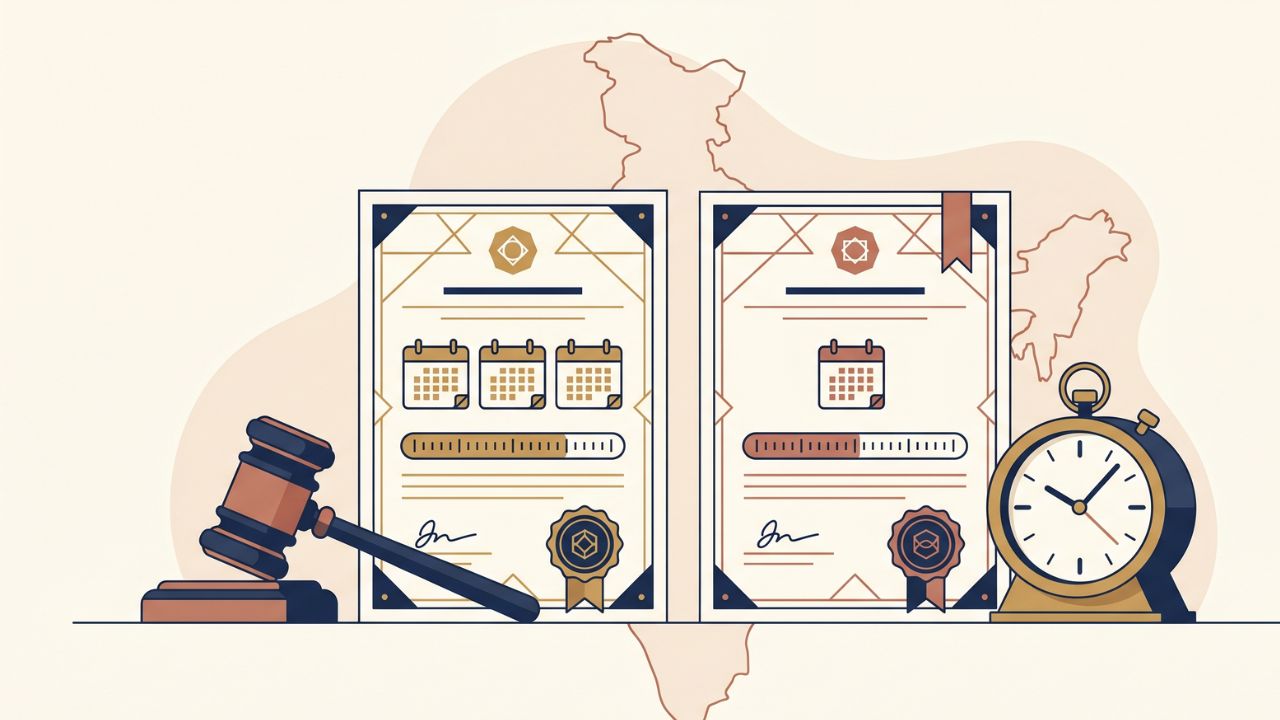
A detailed comparison chart explaining the Kerala lottery 90-day claim period vs Nagaland 30-day deadline rules.

Every paper ticket carries a strict legal expiration date. Missing this critical deadline means losing your funds entirely. The Kerala lottery 90-day claim period vs Nagaland 30-day debate is incredibly important. This specific 60-day gap has cost uneducated participants crores in forfeited funds. Therefore, understanding the exact legal timeline is vital for financial safety. Furthermore, this comprehensive guide explores the exact deadlines side by side. We will clearly explain the weekend rule and forfeit clauses. You will learn exactly how state policies differ fundamentally. Moreover, we will examine the strict paperwork needed to secure funds legally. Consequently, readers will gain essential knowledge regarding state-level financial administration. First, we must look at the foundational rules governing these timeframes. Education remains your strongest defense against completely avoidable financial losses.

Understanding the Kerala lottery 90-day claim period vs Nagaland 30-day

State governments manage their draws under very different administrative rules. Specifically, federal laws allow states to set unique operational guidelines. The Kerala lottery 90-day claim period vs Nagaland 30-day difference illustrates this freedom. Kerala provides a highly generous three-month window for verification. Conversely, Nagaland restricts this timeframe to just one single month. Therefore, participants face entirely different pressures depending on the origin state. For instance, a ticket bought in Kochi offers significantly more breathing room. However, a Lottery Sambad ticket demands immediate and urgent administrative action. Furthermore, failing to act quickly triggers a permanent loss of funds. Indeed, state treasuries do not offer extensions for ignorance of the law. Thus, understanding these regional operational differences is absolutely mandatory.

The Mechanics of the Nagaland Sambad claim window

Nagaland operates a highly accelerated financial verification system. Consequently, the Nagaland Sambad claim window closes rapidly after the draw. Officials designed this brief 30-day period to finalize accounting books quickly. First, winners must gather their identity papers without any delay. Second, they must immediately locate the correct regional claims office. Furthermore, rural participants often struggle to travel within this tight timeframe. Thus, this strict limit creates severe logistical challenges for many people. Therefore, early preparation is the only way to meet state requirements. Indeed, treating the receipt like a sensitive financial document is mandatory. Furthermore, waiting even two weeks to check results is incredibly dangerous. Consequently, checking results daily protects your potential financial interests completely.

Avoiding a Costly Lottery Prize Forfeit India Event

Forfeiture happens when a person misses the absolute final deadline. Sadly, a lottery prize forfeit India event occurs far too frequently. Unclaimed funds eventually return to the respective state government treasury. Subsequently, the state utilizes this money for various public welfare schemes. However, the individual loses all legal rights to the financial claim forever. Therefore, tracking your exact purchase date is a vital security habit. Specifically, counting the days from the result publication is completely necessary. Moreover, understanding the Kerala lottery 90-day claim period vs Nagaland 30-day rule helps. Consequently, financial education prevents these unfortunate administrative losses from happening. Nobody wants to lose money simply because they misread a calendar. Thus, maintaining strict organizational habits is highly recommended for all participants.

Calculating the Kerala lottery claim deadline accurately

Calculating the exact cutoff date requires careful and precise calendar management. Initially, the clock starts ticking the very moment results become public. The Kerala lottery claim deadline offers a longer 90-day grace period. However, you cannot simply guess when those exact three months end. First, find the precise publication date on the official state gazette. Then, count exactly ninety calendar days forward from that specific date. Furthermore, you must account for shorter months like February carefully. Therefore, marking your personal calendar immediately is a highly recommended practice. Consequently, this simple organizational action ensures you never miss the final window. Additionally, setting digital reminders on your phone adds another layer of safety. Thus, proactive tracking completely eliminates the risk of an accidental forfeit.

Required Lottery Winner Claim Documents for Verification

Submitting the physical paper is only the very first step. Authorities demand strict proof of identity to prevent massive financial fraud. Consequently, gathering the correct lottery winner claim documents takes careful planning. Both states strictly require a valid government photo identity card. Additionally, you must provide clear passport-sized photographs for their official records. Furthermore, winning amounts above certain limits mandate a valid PAN card. Therefore, incomplete paperwork will easily stall the entire verification process indefinitely. First, ensure all signatures match your official banking records perfectly. Second, keep clean copies of every single submitted form for safety. Thus, proper organization speeds up the state administrative review significantly. Moreover, the Kerala lottery 90-day claim period vs Nagaland 30-day timeline applies to document submission too.

How the Weekend Rule Impacts the Submission Process

Government offices do not remain open every single day of the week. Therefore, the weekend rule plays a massive role in final deadlines. If your final legal day falls on a Sunday, rules shift slightly. Specifically, the deadline moves to the next available working Monday. However, assuming this grace period applies to all holidays is very dangerous. Furthermore, unexpected public strikes can also close government buildings without warning. Consequently, submitting your forms at least a week early is incredibly smart. The Kerala lottery 90-day claim period vs Nagaland 30-day rule remains rigid. Thus, planning for unexpected office closures protects your legal financial interests. Indeed, waiting for the 89th or 29th day is extremely reckless behavior. Early submission always remains the most logical and safe strategy.

Deep Dive: Kerala vs Nagaland lottery comparison

Comparing both systems reveals distinctly different administrative and operational philosophies. The Kerala vs Nagaland lottery comparison highlights massive state-level operational choices. Kerala focuses heavily on extensive welfare funding and slower, meticulous processing. Conversely, Nagaland prioritizes high-frequency draws and rapid administrative turnover mathematically. Therefore, their specific operational speeds and legal frameworks vary drastically. For instance, Nagaland requires immediate taxation clearance within a few weeks. Meanwhile, Kerala allows time for extensive background checks and bank verification. Furthermore, understanding this Kerala lottery 90-day claim period vs Nagaland 30-day gap matters. Consequently, participants must adjust their administrative expectations based on the origin state. Thus, treating both systems identically will lead to severe financial mistakes. Knowing the specific regional law is the only way to stay safe.

The Impact on Bumper Draws and Special Events

Regular daily draws generally follow the standard rules very strictly. However, special festival events sometimes introduce slight administrative queue variations. For example, understanding the Bumper lottery Kerala Pooja Vishu Onam Christmas explained is crucial. These massive state events process a significantly higher volume of paperwork. Therefore, verification queues grow much longer during these peak festival seasons. Furthermore, the core Kerala lottery 90-day claim period vs Nagaland 30-day timeline stays. Consequently, you must submit documents even earlier during busy bumper months. Thus, anticipating these administrative delays is a highly smart financial strategy. Indeed, local banks also take longer to clear massive festival checks. Therefore, beginning the paperwork immediately after a bumper draw is essential.

Financial Literacy and Safe Participation Practices

Participating in state draws requires strict personal financial discipline and literacy. First, always treat tickets as high-risk, low-probability entertainment expenses only. Furthermore, never spend money meant for essential household needs or bills. Therefore, setting a strict monthly entertainment budget is a vital safety practice. We strongly encourage reading financial literacy principles to protect your family wealth. Indeed, understanding the math behind probability prevents highly harmful spending habits. The Kerala lottery 90-day claim period vs Nagaland 30-day rule is deeply educational. Consequently, learning these legal frameworks builds much better financial awareness overall. Thus, education remains your strongest defense against completely poor money choices. Ultimately, informed citizens make vastly better decisions regarding their personal finances.

The Role of the Lotteries Regulation Act 1998

Federal law dictates exactly how states can operate these financial games. Specifically, the Lotteries Regulation Act of 1998 governs all regional operations strictly. This important act prevents states from running unregulated, private gambling rings. Furthermore, it outlines exactly how prize money must be distributed legally. Therefore, the Kerala lottery 90-day claim period vs Nagaland 30-day difference exists legally. The central government explicitly allows states to dictate their own claim windows. Consequently, states design rules that fit their specific administrative and banking capabilities. Thus, understanding this federal law clarifies why these massive regional differences exist. Indeed, it shows that these deadlines are rigid legal statutes, not suggestions. Therefore, respecting the law ensures your administrative process goes smoothly.

Summary of the Kerala lottery 90-day claim period vs Nagaland 30-day Fact

Let us review the core administrative facts presented in this guide. The Kerala lottery 90-day claim period vs Nagaland 30-day reality is stark. Kerala gives you three full months, while Nagaland gives you one. Furthermore, missing these exact dates guarantees a total financial forfeit. Therefore, immediate action is legally required upon viewing the official results. You must secure the required lottery winner claim documents very quickly. Moreover, keeping the physical paper completely safe from damage is absolutely essential. Consequently, returning to our main Kerala State Lottery Guide will provide more context. Education remains the ultimate key to safely navigating these complex state rules. Remember to always respect the strict legal deadlines without exception.

Frequently Asked Questions About Kerala lottery 90-day claim period vs Nagaland 30-day

  • What is the claim period for Kerala State Lottery?
    The official claim period for Kerala is exactly 90 days. Therefore, you have three months to submit your documents.
  • What is the claim period for Nagaland Lottery Sambad?
    The Nagaland claim window is strictly limited to 30 days. Consequently, immediate administrative action is absolutely necessary for success.
  • Why does Kerala give 90 days but Nagaland only 30?
    Each state sets its own unique legal and administrative policies. Therefore, their processing speeds and legal frameworks differ greatly.
  • What happens if I miss the Kerala lottery claim deadline?
    Missing the strict deadline results in a complete financial forfeiture. Consequently, the state absorbs the funds for public welfare programs.
  • Does the 90-day claim period count weekends and holidays?
    Yes, the 90-day count includes weekends and regular public holidays. However, if the final day is Sunday, Monday technically applies.

Conclusion

In conclusion, the administrative differences between these two states are vast. The Kerala lottery 90-day claim period vs Nagaland 30-day rule proves this point. First, always protect your physical paper ticket from any environmental damage. Second, gather your identity documents long before the final legal deadline. Furthermore, remember that lotterysambadresult.news is an independent educational publishing platform. We provide historical data solely for informational and mathematical learning purposes. Therefore, we do not encourage or promote any real-money gambling activities. Play responsibly, study the legal rules, and always prioritize your financial safety. Understanding the law is the best way to protect your assets.


Sthree Sakthi Lottery: 7 Prize Tiers Most Buyers Miss

Sthree Sakthi lottery prize structure chart showing all 7 prize tiers for Kerala's Tuesday draw

Most Kerala lottery buyers know only one thing about Sthree Sakthi: the first prize. However, the Sthree Sakthi lottery history and prize structure runs far deeper than that. There are 7 distinct prize tiers in each draw. Most ticket holders never look past the top. Consequently, they miss real money sitting in the lower rungs. This article unpacks every tier, explains the lottery’s women-empowerment roots, and shows you exactly what to check when Tuesday’s result drops.


What Is Sthree Sakthi? A Quick History

“Sthree Sakthi” is a Malayalam phrase. It translates directly to “Women’s Strength.” The Kerala State Lottery Department launched this draw as a dedicated Tuesday lottery to honour and financially support women in the state.

The Sthree Sakthi lottery launch year was 2016. Before that, Tuesday had a different weekly draw. The rebranding carried a clear social message: a portion of the revenue supports women-focused welfare schemes run by the Kerala government.

Furthermore, the Sthree Sakthi brand reinforced Kerala’s long-standing model of using lottery proceeds for public good. This is the same philosophy behind the Karunya scheme medical aid eligibility programme, which funds healthcare for low-income families.

How Sthree Sakthi Fits Into Kerala’s Weekly Draw Calendar

Kerala runs seven draws per week — one for each day. Sthree Sakthi is the Tuesday draw. The draw takes place at Gorky Bhavan, Thiruvananthapuram, at 3 PM IST every Tuesday. Results are published officially by the Kerala State Lottery Department shortly after.

This is important to note. Unlike online lottery platforms you may find through a Google search, the Kerala State Lottery has no official online ticket sale. It operates exclusively through licensed agents and sub-agents.


The Full Sthree Sakthi Prize Structure: All 7 Tiers Explained

This is where most buyers miss out. The Sthree Sakthi prize tiers go well beyond the headline jackpot. Here is a breakdown of each level in the standard draw structure.

Tier 1 — First Prize

The first prize stands at ₹75 lakhs (subject to revision by the department). Only one ticket number wins this prize. Therefore, the odds at this tier are extremely long. However, this is the prize most buyers focus on exclusively.

Tier 2 — Second Prize

The second prize is typically ₹10 lakhs. Again, one winner takes this. Many buyers do not realise this tier exists at all, which is a significant oversight.

Tier 3 — Third Prize

Third prize winners receive ₹5,000 each. Crucially, this tier awards multiple winners — one per series. So the actual number of third-prize winners in any given draw is higher than most people expect.

Tier 4 — Fourth Prize

The fourth prize is ₹2,000 per winner. Similarly, this applies to multiple tickets per series. Checking this tier carefully can reveal small but genuine returns.

Tier 5 — Fifth Prize

Fifth prize winners take home ₹1,000 each. This tier covers a wider set of numbers. Moreover, many genuine winning tickets at this level go unclaimed simply because holders do not check thoroughly.

Tier 6 — Sixth Prize

Sixth prize is ₹500. This is one of the most commonly won tiers simply because it covers the most numbers. Furthermore, even a ₹500 win can exceed the ₹40 ticket cost — making it a net positive return for the holder.

Tier 7 — Consolation Prize

The consolation prize structure in Sthree Sakthi is distinct. It typically awards ₹8,000 to the remaining series carrying the first-prize ticket number. So if your ticket number matches the first-prize digits but belongs to a different series, you still win the consolation amount.

This tier is what agents “quietly exploit,” as the content map notes. Savvy buyers understand this ladder. Most casual buyers do not.


Consolation Wins in the Sthree Sakthi Prize Structure

The Sthree Sakthi consolation prize is awarded across multiple series. Kerala issues lottery tickets in named series — for example, SS 450, SS 451, and so on for a given draw. The first prize is won by one specific series and ticket number. However, the consolation prize goes to the same ticket number in all the remaining series.

Therefore, the consolation prize has many more winners than the first prize. Statistically, your probability of landing a consolation prize is significantly higher than landing the top spot.

This is a key piece of Sthree Sakthi lottery history and prize structure knowledge that most guides skip entirely. Sites focused purely on Lottery Sambad results often do not explain this Kerala-specific mechanic.


The Women Empowerment Angle: What the Proceeds Fund

The Sthree Sakthi brand is not cosmetic. Kerala’s lottery revenue model channels a defined portion of ticket proceeds into government welfare schemes. This mirrors how the Karunya fund operates.

For Sthree Sakthi specifically, the women empowerment lottery Kerala dimension is built into the scheme’s mandate. Revenue flows toward programmes managed under the Kerala Social Justice Department.

This is one reason the Kerala State Lottery is considered a structured, government-regulated financial instrument — not a private gambling product. For a deeper look at the full Kerala lottery ecosystem, see the Kerala State Lottery Guide on this site.


Ticket Price and How to Verify Your Ticket

A standard Sthree Sakthi ticket costs ₹40. Agents may sell it in fractions — quarter tickets at ₹10 each are common. However, fractional tickets only pay a proportional share of any prize.

Always verify your ticket against the official Kerala Government Lottery Department website at keralalotteries.net — the government’s authorised result portal.

Checking the Sthree Sakthi Prize Structure: A Simple Process

Many winners miss lower-tier prizes because they only scan for the first-prize number. Here is a better approach:

  • Note your full ticket number and series letter.
  • Check the first-prize number first.
  • If no match, work down through tiers 2 to 6 systematically.
  • Finally, check the consolation prize — compare only the ticket number digits, ignoring the series.
  • If your series differs from the first-prize series but the number matches, you have won the consolation prize.

This process takes under two minutes. Skipping it is how valid winning tickets go unclaimed every week.


Claim Period: How Long Do You Have?

If you hold a winning Sthree Sakthi ticket, the claim window matters enormously. Kerala offers a 90-day claim period from the date of the draw. This is one of the most generous windows among Indian state lotteries.

By contrast, Nagaland’s Lottery Sambad operates on a much shorter 30-day claim window. The full comparison of deadlines, documents, and forfeiture rules is covered in the Kerala lottery 90-day claim period vs Nagaland 30-day article.

Documents Needed to Claim a Prize

For prizes above ₹10,000, you must submit:

  • Original winning ticket (undamaged)
  • Government photo ID (Aadhaar, Voter ID, or Passport)
  • PAN card (mandatory for prizes above ₹10,000 due to TDS)
  • Bank account details for direct transfer

For prizes below ₹10,000, any authorised lottery agent can pay out directly. This makes lower-tier Sthree Sakthi prizes extremely easy to collect.


Tax and TDS on Sthree Sakthi Winnings

Prize money from the Sthree Sakthi lottery is subject to Tax Deducted at Source (TDS) under Indian Income Tax rules. The applicable TDS rate is 30% on prizes above ₹10,000, with an additional education cess applied.

The Kerala State Lottery Department deducts TDS before releasing any payment above this threshold. Consequently, the net payout is lower than the published prize amount. Understanding this math is important for any financial planning around a prize claim.

For up-to-date TDS rules and thresholds, refer to the Income Tax India official portal.


Frequently Asked Questions About Sthree Sakthi Lottery

What is the Sthree Sakthi lottery in Kerala?

Sthree Sakthi is Kerala’s official Tuesday state lottery. It is drawn every Tuesday at 3 PM at Gorky Bhavan, Thiruvananthapuram. It is part of the seven-day weekly draw cycle run by the Kerala State Lottery Department.

When was the Sthree Sakthi lottery launched?

The Sthree Sakthi lottery launch year was 2016. It replaced the earlier Tuesday draw and was introduced with a women-empowerment mandate.

Why is it called Sthree Sakthi?

“Sthree Sakthi” means “Women’s Strength” in Malayalam. The name reflects the lottery’s social mandate. Proceeds support women-focused welfare programmes under the Kerala government.

What is the first prize of Sthree Sakthi lottery?

The first prize is ₹75 lakhs in a standard draw. However, prize amounts can be revised by the Kerala State Lottery Department. Always check the official ticket or the Kerala government lottery portal for the current draw’s prize schedule.

How many Sthree Sakthi prize tiers are there?

There are 7 prize tiers: first prize, second prize, third prize, fourth prize, fifth prize, sixth prize, and the consolation prize. The consolation prize is awarded to tickets matching the first-prize number but belonging to a different series.

What is the difference between Sthree Sakthi and Karunya?

Both are Kerala state lotteries, but they run on different days and fund different welfare areas. Sthree Sakthi is the Tuesday draw focused on women’s welfare. Karunya runs on Saturday and funds the Karunya Benevolent Fund for medical aid.


Conclusion: Understand the Sthree Sakthi Prize Structure Before You Check

The Sthree Sakthi lottery history and prize structure is richer than a simple first-prize hunt. There are seven tiers to check every Tuesday. Furthermore, the consolation prize structure means more winners exist per draw than most people realise.

This site — lotterysambadresult.news — is a purely informational platform. We do not sell tickets, facilitate transactions, or encourage excessive participation. All content here is educational, focused on financial literacy and awareness.

Always play responsibly. Set a clear personal budget before buying any lottery ticket. Treat participation as occasional entertainment, not an income strategy. And always claim any prize within the 90-day window to avoid forfeiture.

Karunya Health Scheme: Why 60% of Applicants Get Rejected

Karunya scheme medical aid eligibility checklist showing income certificate and application form for Kerala health scheme

Every week, hundreds of families in Kerala apply for Karunya scheme medical aid. They need urgent help. They gather papers. They wait in queues. Then they receive a rejection letter.

The Karunya scheme medical aid eligibility rules are specific. Miss one clause, and your application fails instantly. This article explains exactly which rules trip most applicants, what documents you truly need, and how the Kerala lottery system funds this entire welfare programme. By the end, you will know precisely what the approval process looks for — and what it will not overlook.


What Is the Karunya Scheme and Who Runs It?

The Karunya Benevolent Fund is a government welfare scheme run by the Kerala State Lotteries Department. It provides financial aid to economically weaker families facing serious, life-threatening medical conditions. The fund does not pay for minor treatments or routine check-ups.

Crucially, the Karunya scheme is not charity in the traditional sense. It is a structured, rules-based programme. The Kerala State Lotteries Department manages every application under strict government guidelines.

Furthermore, the scheme has a fixed budget each year. Therefore, the approval process is competitive. Incomplete or incorrect applications are removed first — before officials even consider the merit of the medical case.

The Direct Link Between Kerala Lottery and Karunya Funding

Here is something most people do not realise. The Karunya scheme is directly funded by Kerala State Lottery ticket sales. Specifically, the weekly Karunya Saturday lottery draw channels a defined portion of its revenue into the Benevolent Fund.

This makes the Karunya draw unique among Kerala’s seven weekly lotteries. If you follow Lottery Sambad or other state draws, you will notice most lotteries fund general state revenue. However, the Karunya draw has a dedicated welfare purpose built into its design.


Why Karunya Scheme Medical Aid Applications Fail: The Income Clause

The single biggest rejection trigger is the income certificate. This surprises many applicants, because they assume the medical severity of their case is the deciding factor. It is not the first filter. The income filter comes first.

What the Income Rule Actually Says

Karunya scheme medical aid eligibility requires the applicant’s family income to fall below the threshold stated in the current government order. Historically, this has been set at an annual family income of below ₹1 lakh for BPL-category applicants.

The certificate must:

  • Be issued by a Revenue Divisional Officer (RDO) or a higher authority
  • Be dated within the last six months at the time of application
  • Reflect the total family income, not just the patient’s individual earnings

Applicants often submit certificates issued by a Village Officer or a local panchayat. These are automatically rejected. The issuing authority level matters enormously. Similarly, certificates older than six months are treated as expired.

Why This Clause Rejects 60% of Eligible Families

Many genuinely poor families hold outdated income certificates. Others hold certificates from lower-level authorities. Consequently, their applications fail on a technicality — not because they are ineligible, but because their documents do not meet the format rule.

Furthermore, families where multiple members earn modest incomes often miscalculate their combined figure. The scheme counts total household income, not individual income. Therefore, two members each earning ₹45,000 per year produce a combined income of ₹90,000 — which still qualifies. However, if they declare only one income, they create a discrepancy that investigators may flag.


Karunya Scheme Medical Aid Eligibility: Disease Categories That Qualify

Even with a perfect income certificate, your application fails if the disease does not appear on the approved list. The Karunya Benevolent Fund is designed for serious, scheduled medical conditions.

Diseases Covered Under the Fund

According to the Kerala State Government’s official notifications, the scheme generally covers:

  • Cancer (any stage requiring hospitalisation or surgery)
  • Chronic kidney disease requiring dialysis or transplant
  • Heart disease requiring major surgery
  • Liver failure requiring transplant
  • Other specified life-threatening conditions listed in the current government order

The list is updated periodically. Therefore, always verify the current notification on the Kerala Government’s official portal before applying.

Conditions That Do Not Qualify

This is equally important. Conditions that typically fall outside Karunya scheme medical aid eligibility include:

  • Diabetes management (without a co-morbid qualifying condition)
  • Routine orthopaedic procedures
  • Dental treatments
  • Elective cosmetic or corrective surgeries
  • General medical check-ups or diagnostic tests alone

Applying for a non-covered condition wastes time. Additionally, it delays genuinely eligible applicants who need the fund urgently.


Complete Document Checklist for Karunya Scheme Medical Aid

Submitting the right documents is the difference between approval and rejection. Use this checklist before you submit anything.

Mandatory Documents

  1. Application form — Obtained from the District Collector’s office or the Kerala State Lotteries Department
  2. Income certificate — Issued by an RDO or higher; dated within the last six months
  3. Disease certificate — Issued by a doctor in a government hospital; must name the specific qualifying disease
  4. Aadhaar card — Of the patient (not a family member’s card)
  5. Ration card — BPL ration card holders receive priority processing
  6. Bank account details — For direct benefit transfer; must be in the patient’s name or a joint account
  7. Proof of Kerala residence — Aadhaar with Kerala address or domicile certificate

Common Document Errors That Trigger Rejection

  • Income certificate from a Village Officer instead of an RDO
  • Disease certificate from a private hospital doctor (government hospital signature required)
  • Aadhaar card showing an address outside Kerala
  • Bank account in a family member’s sole name rather than the patient’s
  • Application form with uncompleted sections left blank

How to Apply for Karunya Scheme Medical Aid: Step-by-Step

Understanding Karunya scheme medical aid eligibility is only half the battle. The application process itself has a specific path.

Step 1: Get the Disease Confirmed at a Government Hospital

Your first visit must be to a government hospital. A private hospital certificate alone is not accepted. The government doctor must issue a certificate naming the qualifying disease and confirming the patient’s identity.

Step 2: Obtain a Fresh Income Certificate

Visit the RDO office in your district. Bring all family members’ income proof. The certificate must clearly state total annual family income. Get it dated within the application window.

Step 3: Fill and Submit the Application

Collect the application form from the District Collectorate or the Lotteries Department office. Fill every section. Attach all documents in the specified order. Submit in person or through the designated government channel.

Step 4: Track Application Status

After submission, the application goes to the District Collector’s office for preliminary verification. It then moves to the State Lotteries Department for final approval. Processing times vary. However, urgent medical cases can be flagged for priority review.


How the Karunya Lottery Draw Funds the Scheme

The financial model behind the Karunya scheme is worth understanding. It is one of the most transparent examples of welfare-linked lottery revenue in India.

Every Saturday, the Kerala State Lottery Department conducts the Karunya draw. Ticket buyers across Kerala purchase ₹40 tickets. A portion of each ticket’s price flows directly into the Karunya Benevolent Fund pool.

This model has been in place since the Karunya lottery’s launch. Over the years, it has funded thousands of medical procedures for families with no other financial option. The scheme is also closely linked to the Karunya Plus draw, which runs on Thursdays and follows a slightly different welfare allocation structure.

Furthermore, for anyone tracking Kerala’s wider lottery system and wanting to compare draw schedules, the Kerala State Lottery Guide covers all seven weekly draws in detail.


What Happens After You Submit: Approval Timeline

Most applicants do not understand what happens after submission. This uncertainty leads families to reapply prematurely or to abandon valid applications.

The Verification Chain

After you submit, the process typically follows this path:

  • Week 1–2: District Collectorate verifies document completeness
  • Week 3–4: Medical certificate is cross-verified with the issuing hospital
  • Week 4–6: Income certificate is reviewed by the revenue department
  • Week 6–8: Final approval or rejection is issued by the State Lotteries Department
  • Post-approval: Direct bank transfer is initiated within 15–30 days

This timeline is an approximation. Urgent, terminal cases may receive faster processing. However, incomplete applications are simply returned — they do not enter the approval queue.


Frequently Asked Questions About Karunya Scheme Medical Aid Eligibility

What is the income limit for Karunya scheme medical aid eligibility in Kerala?

The scheme requires total annual family income to fall below the threshold set in the current government order — historically below ₹1 lakh for BPL families. The certificate must come from an RDO or higher authority, dated within six months of application.

Which diseases are covered under Karunya scheme?

Cancer, kidney disease requiring dialysis or transplant, heart surgery, liver transplant, and other life-threatening conditions on the official scheduled list. Routine or elective treatments are not covered.

What documents are required for Karunya scheme?

You need an income certificate (from RDO or above), a government hospital disease certificate, Aadhaar card, ration card, bank account details in the patient’s name, and proof of Kerala residence. All documents must be current.

How is the Karunya scheme funded by lottery sales?

The weekly Karunya Saturday lottery draw channels a defined share of ticket revenue into the Benevolent Fund. This direct welfare link is built into the scheme’s structure and has been in operation since the draw’s launch.

Can non-Kerala residents apply for Karunya aid?

No. Karunya scheme medical aid is exclusively for permanent Kerala residents. Proof of Kerala domicile is mandatory. Temporary residents and those with non-Kerala Aadhaar addresses are not eligible.


Conclusion: Know Karunya Scheme Medical Aid Rules Before Applying

The Karunya scheme medical aid eligibility framework is strict by design. It is built to direct limited funds to the most vulnerable residents as efficiently as possible. Rejections are almost always administrative — not a judgement on the severity of the medical condition.

The key takeaways from this guide:

  • Income certificate from the correct authority level is the most common rejection trigger
  • Only scheduled diseases on the government’s approved list qualify
  • All documents must be current, complete, and in the correct format
  • The scheme is directly funded by Karunya lottery draw revenue
  • Processing takes six to eight weeks under normal circumstances

lotterysambadresult.news is a purely informational platform. This article is designed to educate readers about government welfare schemes and Kerala’s lottery system. We do not promote lottery participation as a financial strategy. Always make responsible, informed decisions. If you are exploring Kerala’s broader lottery ecosystem, the Kerala State Lottery Guide is your most complete starting reference.

Bhagyathara Monday Lottery: The 1.4 Cr Number No One Reads

Bhagyathara Monday lottery result ticket showing the 1.4 Cr first prize number breakdown

Every week, thousands of hopeful participants check the Kerala Bhagyathara lottery Monday results. Most look for their ticket number, scan the list, feel disappointed, and move on. However, very few ever stop to understand what that 1.4 Cr prize number actually means. What is it made of? How is it picked? And what rights do you actually have as a ticket holder?

This article answers all of that. Furthermore, it explains the math behind prize structures, the legal framework governing draws, and how to verify results safely using trusted platforms. By the end, you will know far more than the average ticket buyer.


What Is the Kerala Bhagyathara lottery Monday?

The Kerala Bhagyathara lottery Monday is an officially authorised draw run under the Kerala State Lotteries Department. It operates under the Lotteries (Regulation) Act, 1998. Therefore, it is one of the few legal lottery systems in India.

The draw takes place every Monday at 3:00 PM. Results are announced at the Government Press, Thiruvananthapuram. Consequently, the results carry full legal validity under state authority.

Each series in the Bhagyathara Monday lottery is assigned an alphabetical prefix — like BA, BB, BC, and so on. Every ticket within a series carries a unique six-digit number. This combination of series and number forms the complete ticket identity.

Who Can Buy a Kerala Bhagyathara lottery Monday Ticket?

Any Indian citizen above 18 years of age can buy a ticket. Tickets are sold through licensed agents only. The Department of Kerala State Lotteries authorises each agent individually. So if you buy from an unlicensed source, your ticket may not be valid at all.


Understanding the 1.4 Cr Prize: What Does It Actually Mean?

The 1.4 Cr first prize in the Bhagyathara Monday lottery is the headline figure — but it is not what you take home. Consequently, many winners are surprised by the actual payout.

Here is how the 1.4 Cr figure breaks down:

  • Gross Prize: ₹1,40,00,000 (1.4 Crore)
  • TDS Deduction (30%): ₹42,00,000
  • Agent Commission (already excluded from face value)
  • Net Payout to Winner: Approximately ₹98,00,000

Therefore, the number you see on the result page is the gross declared amount. Furthermore, state-level surcharge may apply depending on where you claim the prize.

Why the Kerala Bhagyathara lottery Monday 1.4 Cr Number Gets Ignored

Most people never read the full prize structure. They check only whether their ticket number matches the first prize. However, the Bhagyathara Monday lottery also carries a significant number of consolation and lower-tier prizes.

These lower-tier prizes often total more in cumulative payout than the headline 1.4 Cr amount. So statistically, if you understand the full prize table, you gain a much more realistic picture of the draw.


The Math Behind Lottery Prize Structures

Let us look at how Kerala lottery prize pools are structured. This applies directly to the Bhagyathara Monday lottery and helps you understand what you are participating in.

A typical Kerala lottery draw issues around 90 lakh tickets in total. The prize pool is a fixed percentage of the total ticket revenue. According to the Kerala State Lotteries official website, approximately 26% of revenue goes toward prizes.

So the calculation works like this:

  • Total tickets: ~90,00,000
  • Ticket price: ₹40 each
  • Total revenue: ₹36,00,00,000
  • Prize pool (26%): ~₹9,36,00,000

However, the 1.4 Cr first prize alone uses a large chunk of this pool. Consequently, the remaining prizes are distributed across hundreds of thousands of winners at smaller amounts.

Prize Tiers in a Typical Bhagyathara Monday Draw

Prize TierApproximate AmountNumber of Winners
1st Prize₹1,40,00,0001
2nd Prize₹10,00,0001
3rd Prize₹5,00040
4th Prize₹2,000120
Consolation₹8,0008

Therefore, your realistic chance of winning any prize is far higher than winning the headline 1.4 Cr figure suggests.


How the Draw Process Works: Transparency and Legality

The Bhagyathara Monday lottery draw is not a digital algorithm. It is a physical draw conducted under official supervision. This is a key point many people do not realise.

The process includes:

  1. Tickets are loaded into draw drums by series.
  2. Government officials and public witnesses are present.
  3. Numbers are drawn manually and announced aloud.
  4. Results are immediately recorded and published on the official Kerala Lotteries portal.

Furthermore, independent auditors verify the process. This entire mechanism exists to ensure that the Bhagyathara Monday lottery result is tamper-proof and legally binding.

What Happens After the Draw?

Once the draw concludes, results are published in the Kerala Government Gazette. This gazette entry is the only legally valid record of the Bhagyathara Monday lottery result. Additionally, results appear on authorised platforms like lotterysambadresult.news, which carries results for multiple state lotteries including Lottery Sambad draws from Nagaland, West Bengal, and Sikkim.


How to Read and Verify Your Result

Reading a lottery result correctly is a skill. Surprisingly, many buyers misread results and either miss legitimate wins or falsely believe they have won.

Here is how to read your result correctly:

  • Step 1: Note your full ticket number — this includes the series prefix (e.g., BA 123456).
  • Step 2: Go to the official Kerala Lotteries website or a trusted result platform.
  • Step 3: Match your full ticket number, not just the last few digits, against the prize list.
  • Step 4: For consolation prizes, only the six-digit number (without series) matters.
  • Step 5: Cross-reference with the official gazette if you believe you have won a large prize.

Common Mistakes When Checking Results

People often make these errors:

  • Matching only the last four digits instead of the full number.
  • Confusing the series prefix with a different draw’s series.
  • Relying solely on WhatsApp-forwarded result images, which are frequently wrong.
  • Checking the wrong draw date — the Bhagyathara Monday lottery is a weekly draw, not daily.

Therefore, always verify directly from official or authorised sources.


Claiming a Prize: The Process

If you genuinely win, the claim process follows a strict legal timeline. Consequently, understanding it in advance saves a lot of stress.

For prizes up to ₹5,000: You can claim directly from any authorised lottery agent or district lottery office. No documentation beyond your winning ticket is required.

For prizes above ₹5,000: You must submit your claim to the District Lottery Office. Required documents include your original winning ticket, identity proof, PAN card, and a duly filled claim form. Furthermore, prizes above ₹10,000 are subject to TDS deduction at source.

Time Limit: All prizes must be claimed within 30 days of the draw date. After this period, the prize amount lapses and returns to the government fund. This rule applies strictly to the Bhagyathara Monday lottery and all other Kerala state draws.


Cyber Safety: Protecting Yourself From Lottery Fraud

Lottery fraud is a serious and growing problem in India. Fraudsters frequently use the name of legitimate draws like the Bhagyathara Monday lottery to deceive people.

Watch out for these red flags:

  • Anyone claiming you have won a lottery you did not buy.
  • Requests for an “advance fee” or “processing charge” to release your prize.
  • SMS or WhatsApp messages claiming to be from Kerala Lotteries with a private number.
  • Fake result websites that look similar to the official portal.

The Kerala State Lotteries Department will never contact you directly about a prize. Similarly, Lottery Sambad results are published publicly — they do not send personal prize notifications. Therefore, any direct message claiming you have won should be treated as a scam.

How to Report Lottery Fraud

If you encounter fraud, report it to:

  • Your local police cybercrime cell.
  • The National Cyber Crime Reporting Portal at cybercrime.gov.in.
  • The Kerala Lotteries Department directly via their official helpline.

Financial Literacy: Should You Budget for Lottery Tickets?

This is a question worth asking seriously. The Bhagyathara Monday lottery, like all state lotteries, is a form of regulated entertainment with real financial cost.

Here is a realistic framework:

  • A ticket costs ₹40. One ticket per week costs ₹2,080 per year.
  • The statistical expected return on a single ticket is well below ₹40.
  • Therefore, treating lottery tickets as an investment is financially unsound.

However, many people budget a small fixed amount for tickets as a form of entertainment — similar to spending on a movie or a magazine. This is a rational approach as long as the amount is fixed, affordable, and never borrowed.

Furthermore, if you win any amount, consider speaking with a financial advisor before making large decisions. Sudden large receipts can have significant tax implications.


Frequently Asked Questions About the Bhagyathara Monday Lottery

1. What is the first prize amount in the Bhagyathara Monday lottery?
The standard first prize in the Bhagyathara Monday lottery is ₹1,40,00,000 (1.4 Crore). However, the net amount after TDS deductions is approximately ₹98 lakh.

2. Where can I check the Bhagyathara Monday lottery result today?
You can check official results on the Kerala State Lotteries website or on authorised news portals. Results are also published in the Kerala Government Gazette after each draw.

3. How many prize tiers does the Bhagyathara Monday lottery have?
It typically has seven to eight prize tiers, including first, second, third, fourth, fifth, sixth, and consolation prizes. Each tier has a different prize amount and a different number of winners.

4. Is the Bhagyathara Monday lottery legal? Yes. It is issued and regulated by the Kerala State Lotteries Department under the Lotteries (Regulation) Act, 1998. It is fully legal for Indian citizens to participate.

5. What should I do if I think I have won a Bhagyathara Monday lottery prize?
First, verify your ticket against the official gazette result. Then, visit your nearest District Lottery Office with your original ticket and valid identity documents. Do not share your ticket details with strangers or unverified agents.


Conclusion

The Bhagyathara Monday lottery is far more than a single headline number. Behind the 1.4 Cr figure lies a complete prize structure, a transparent draw process, a legal framework, and a claim process that every ticket buyer deserves to understand.

Reading the full result — not just checking whether you matched the top prize — gives you a much more complete picture of what you are participating in. Furthermore, understanding TDS, claim timelines, and fraud risks protects your interests as a participant.

lotterysambadresult.news is strictly an informational platform. We publish results for educational purposes only. This includes Lottery Sambad draws, Kerala state draws, and other authorised state lotteries. We do not sell tickets, promote participation, or guarantee any outcomes.

Always play within your means. Always verify results from official sources. And always be aware of your legal rights as a ticket holder.